




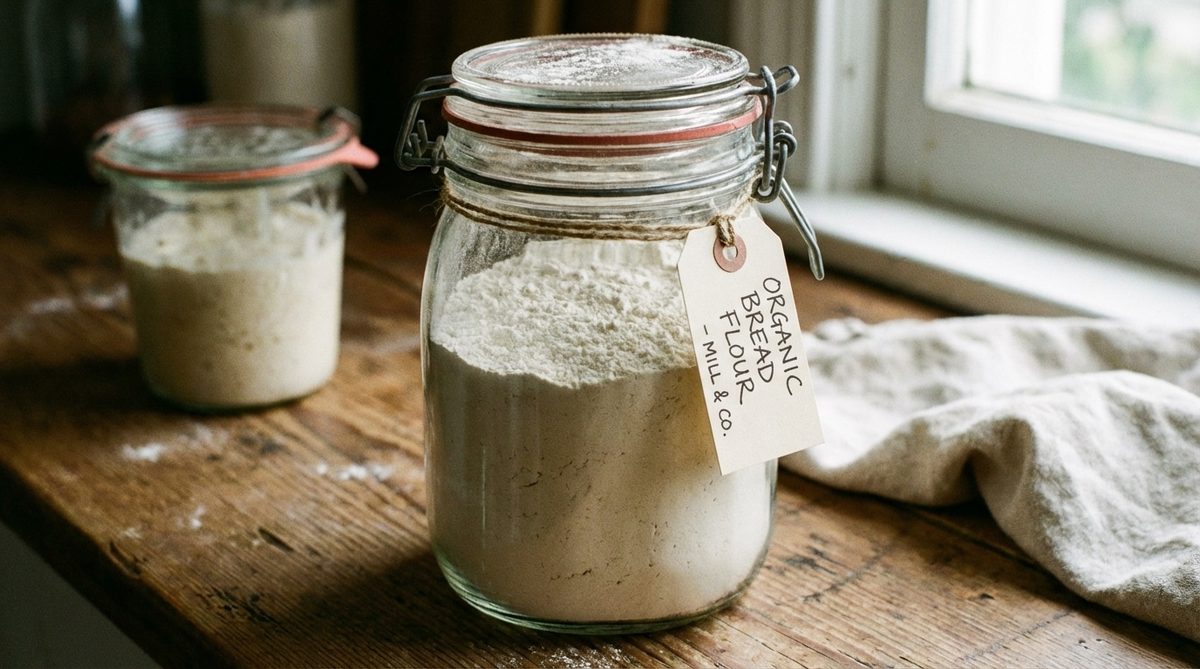
You walk into the organic aisle. It is a maze of boxes. Rice flour. Corn flour. Chickpea flour. Quinoa flour. Each one promises a miracle. They promise you won’t feel like you are starving ten minutes after eating.
It is a lie. Or at least, a partial one.
You eat your crumble. It is dry. It crumbles in your hand like sand. You finish the slice. Your stomach growls an hour later. Why does this happen? We have been sold a narrative that “gluten-free” automatically means “better for you” or “more filling.” The market disagrees.
There is a solution hiding in plain sight. It is brown. It tastes like wood and autumn. It was the bread of the poor for centuries until wheat took over.
It is chestnut flour. And it might be the only thing keeping you full during the cold months.
The Gluten-Free Satiety Trap
Why do most gluten-free options fail you?
It comes down to chemistry. Most popular alternatives are essentially starch. Rice flour is starch. Corn flour is starch. Starch digests quickly. Very quickly.
When you eat pure starch, your body treats it like a fuel dump. It hits your bloodstream. Your energy spikes. Then it crashes. This is the glycemic rollercoaster. You feel hungry again because your blood sugar just dropped. It is an energy yo-yo.
Most of these flours also lack fiber. Fiber is the anchor in your digestive system. It slows down absorption. Without it, food passes through you like a bullet. You feel empty. You feel tired. You reach for a snack.
This is not a failure of your willpower. It is a failure of the ingredient.
The Forgotten Star: Chestnut Flour
Chestnut flour is not new. It is old. In regions like Ardèche, Corsica, and the Massif Central in France, it was a staple. It was called the “bread of the poor” because it was cheap and filling. It was not trendy. It was survival.
Wheat pushed it aside. Wheat binds well. Wheat makes airy bread. Chestnuts do not bind. They make dense, moist goods. But they have something wheat lacks.
They have a low glycemic index.
For anyone searching for chestnut flour for satiety, this is the key metric. While rice flour sits at an index of roughly 85, chestnut flour hovers around 50. That is a massive difference in how your body processes the food.
How Chestnut Flour Keeps You Full
The secret is fiber density.
Chestnut flour contains approximately 10 grams of fiber per 100 grams. Compare that to refined wheat flour, which has almost none, or rice flour, which is similarly low.
Here is what happens when you eat high-fiber carbs:
- Volume in the stomach: Fiber absorbs water and expands. It physically fills your stomach.
- Slowed digestion: The fiber creates a mesh. It traps the carbohydrates. They do not hit your blood all at once.
- Steady energy release: Your body gets fuel slowly. No spike. No crash.
You do not get the “hangry” feeling three hours after lunch. The sensation is stable. It is calm.
Real-World Application: Winter Comfort Food
Imagine it is 2026. It is cold outside. You want comfort food. You bake a cake.
If you use rice flour, it might be light. It might melt in your mouth. But you will want another piece an hour later. You will feel foggy.
If you use chestnut flour, the cake is denser. It has a woody, sweet aroma. It tastes rich. More importantly, you eat a slice and you are satisfied. The energy lasts. Your mood stays even.
This is why it is ideal for winter. You are not fighting the cold with a low energy budget.
Who Needs This?
This is not just for people with celiac disease or gluten intolerance. Although it is naturally gluten-free.
It is for:
- Athletes: Who need sustained energy, not a quick spike.
- Children: Who need steady focus for school, not a sugar crash after break.
- Anyone with cravings: Who wants to stop the cycle of snacking.
The texture is different. It is not like white bread. It is earthier. Heavier. If you are used to light, airy gluten-free cakes, this will surprise you. You have to adjust your expectations. You are not eating “fake” bread. You are eating a nutrient-dense alternative.
The Bottom Line
We have spent years looking for the perfect gluten-free substitute. We looked for texture. We looked for taste. We ignored the biology.
Satiety is not just about volume. It is about digestion speed. It is about blood sugar stability.
Chestnut flour offers both. It provides complex carbohydrates. It provides minerals like magnesium and potassium. It provides fiber.
It is a return to basics. A return to ingredients that were ignored because they were not convenient for mass production.
Your stomach knows the difference. Your brain knows the difference. The next time you feel that hollow ache after a “healthy” meal, check the flour on the label. If it is rice or corn, you are eating quick fuel.
If it is chestnut, you are eating real food.
The choice is yours. But the hunger will tell you which one won.
Roast, soup, or mash: Chestnut recipes for winter warmth
Roasted in the oven until the shells burst. Simple. Brutal pleasure. You take five hundred grams of fresh chestnuts. Slice them. A pinch of salt. Two hundred degrees Celsius for thirty minutes. The house smells like earth and fire. You eat them straight from the tray. They are rich. Naturally filling.
Or you turn them into a velvet soup. It is a different kind of comfort. Take four hundred grams of cooked chestnuts. Any brand works if you are in a hurry, but fresh is better. Sauté an onion. Add the chestnuts. Pour in seven hundred and fifty milliliters of vegetable broth. Let it simmer for twenty minutes. Blend it smooth. Stir in one hundred and fifty cl of plant cream or dairy. Salt. Pepper. The winter nights become noticeably softer when you have a bowl of this.
Then there is the quick mash. Three hundred grams of cooked chestnuts. A splash of milk or cream. Nutmeg helps. It is an instant side dish or a toast topping. You cannot resist the texture. It is heavy in the best way.
How to use chestnut flour for gluten-free baking
You do not need to be a Michelin-star chef to keep chestnuts in your diet year-round. A few tips prevent the flavors from clashing.
The flavor of chestnut flour is strong. It needs balancing. Mix it in equal parts with a neutral flour like rice or corn. This lightens the texture. It allows the nutty notes to shine without overwhelming the palate.
Start with these easy recipes if you are avoiding gluten.
– Morning crepes : Sixty percent rice flour. Forty percent chestnut flour. A little milk. Eggs.
– Chocolate-chestnut fudge : One hundred grams of dark chocolate. Fifty grams of chestnut flour. Two eggs. Sixty grams of sugar. Seventy grams of butter.
– Winter cake : One yogurt. Three eggs. Two cups of chestnut flour. One cup of almond powder. Half a packet of baking powder. Sugar to taste.
It is a genuine pleasure for the body and taste buds. You will not feel hungry before the next meal.
Where to buy and how to store chestnut flour
French origin is often preferred. Look for organic certification. It usually means a more fragrant product. Moisture and light are enemies. Keep the bag sealed. Once opened, the refrigerator is the safest place to preserve that subtle taste and its nutritional qualities.
Why chestnut flour is replacing traditional grains
This is not just an alternative ingredient. It is becoming a staple. It combines comfort, satiety, and gustatory pleasure.
It acts as a real ally against hunger pangs. It is rich. Fragrant. Digestible. It fits into modern, balanced eating patterns without feeling like a sacrifice.
How to integrate chestnut flour without frustration
Sometimes a simple substitution in a classic recipe is enough to notice the difference. Forget the bland routine of standard flours. Bet on the satiety sensation only chestnuts provide. It is the promise of a healthy, gourmet meal without guilt.
Whether in bread, cookies, or a simple puree, chestnut flour has a promising future. It embodies the art of eating well in France. Savour. Fill up. Respect your needs.
It shuffles the deck for gluten-free diets. It brings back the joy of fullness to those who thought they had to say goodbye. It deserves a spot in your pantry this winter. The ordinary becomes a comforting feast. Is it time to let it take the spotlight at your next meal?