



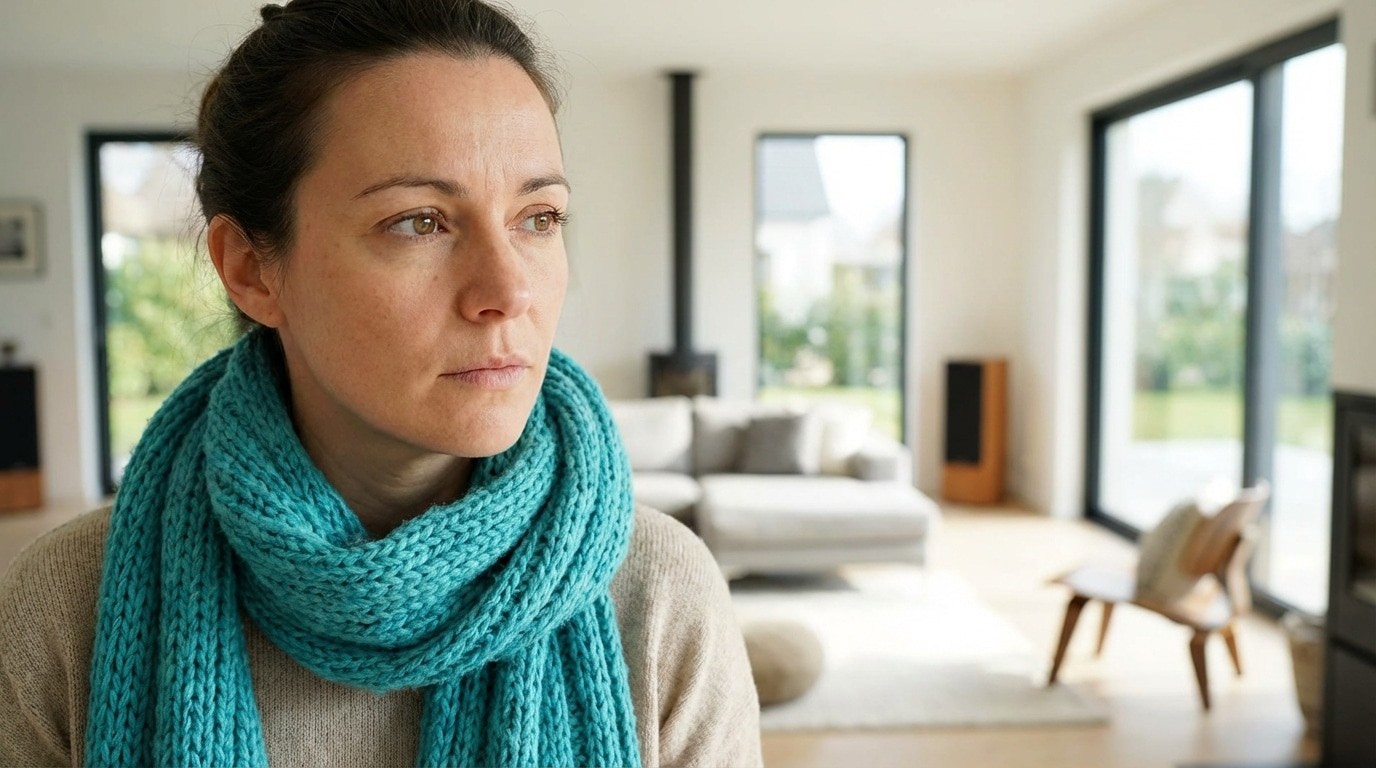
The holiday is over. January 2026 has arrived and the sky has taken on a characteristic shade of gray. You want to stay inside. Cocooning feels necessary. Blankets, hot drinks and silence. But for many, this silence is not rest. It’s anxiety. There is something unclear about being alone. Is this a luxury or a trap? The line is very thin. Understanding the differences is more than just philosophy. This is a huge problem in mental health.
Chosen solitude vs. imposed isolation: understanding the difference
Being physically alone is not the same as loneliness. The difference is purpose. there is well-being you decide to be alone. Close the door and read, meditate or do nothing. Don’t miss anyone else. This is a positive decision. You control your time.
Enforced loneliness can cause pain. This is what happens when you want companionship, but circumstances don’t allow it. This is not a break. It’s exclusion. The mind sees it as a threat. Defense mechanisms are activated. In France, social life often revolves around tables and coffee. If you don’t distinguish between choice and situation, being alone without interacting with others can feel like a failure to you.
What really happens to your brain when you are alone?
When you’re alone and calm, your brain goes into a “default mode network.” Not passive. It strengthens memory. Deal with the different emotions of the week. Planning for the future. This maintenance is essential for psychological balance.
When loneliness feels like a lack, the brain interprets the signals differently. Humans are social species. Historically, missing a tribe meant death. Unnecessary isolation causes high alertness. Cortisol levels rise. A constant feeling of anxiety develops. Even if your living room is warm, it can feel dangerous.
When Silence Becomes a Superpower: The Benefits of Taming Solitude
Creativity and mental clarity: using quiet to recharge
Great ideas are rarely born in noisy open spaces. They come in quiet moments. Silence gives space for thoughts to build themselves. For many people, de-stressing reduces cognitive load. Eliminating external distractions frees up mental bandwidth.
Creativity thrives in this silence. Explore weird ideas without caring what others think. Test. Failed. Start over. This fecund solitude fuels the mind. Gather the accumulated information. Converts ambient noise into coherent reflections.
Cut out the social noise and connect with your desires
In our well-connected society, we are bombarded with information. opinion. success. Staged lives from others. This constant social comparison obscures our own desires. Am I doing it because it’s fun? Or is it because it is expected?
Temporary isolation silences the noise. It brings you back to the essentials. Your tastes. your rhythm. This is a kind of personal ecology. Distinguish between what is yours and what is imposed on you by societal pressure.
The Silent Cycle of Loneliness: When distance causes pain
Physical and Emotional Warning Signs of Toxic Loneliness
Don’t idealize loneliness to the extreme. If it is not needed for too long, it becomes toxic. There are signals coming from your body that you should not ignore. chronic fatigue does not improve with sleep. Unexplained muscle tension. Changes in appetite. These are somatic markers of isolation.
Emotionally, sudden irritability or unexplained sadness should be alarming. Long-term isolation can weaken the immune system. Increased cardiovascular risk. Social connections are just as important as balanced nutrition.
A vicious cycle of rumination without a social escape
The most insidious danger is rumination. Without outside dialogue to provide perspective, thoughts loop. Small problems become disproportionately large. It becomes a mountain that cannot be climbed. Others act as mirror and regulator. Talking helps. We dramatize less. We laugh. Let’s put things into perspective.
When this balance is disturbed, the mind can trap itself in catastrophic scenarios. This is a vicious circle. You feel worse. You want to see people less. Isolation reinforces. The pain deepens.
Energy levels don’t lie.
You spent two days alone. The house was quiet. No notifications. No demands.
Well, how do you feel?
If you feel energized and calm, you’ve been in the bubble long enough to recharge. The solitude did its job. This is necessary. It was beneficial.
However, if you feel heavy, apathetic or empty, the dose is too strong. The scale tilts in the wrong direction. That emptiness is a signal. This means you’ve gone from healthy rumination to unhealthy isolation.
Why social connections are important for mental health
We are not all created equal.
Some people, often described as introverts, need a lot of alone time to recover from social interactions. Some people get their energy directly from those around them. Knowing your type is not an excuse to withdraw. It is a diagnostic tool.
Here is the harsh truth. Do you avoid people because you’re afraid of being judged or because you really need peace and quiet?
Recognizing the need for interaction is not weakness. This is a mandatory restraint. Ignoring this need can put your mental health at risk.
Treat social plans like medical appointments
If the feeling of loneliness starts to weigh on you, don’t wait until the desire to go out comes back naturally.
Inertia works against us. This is especially true in winter. You have to be disciplined. **Plan social interactions proactively. **
Book lunches, phone calls and walks with friends in your calendar. Treat it with the same rigidity as a dental appointment.
Regularity comes before duration.
Some real communication is more valuable than time spent on superficial parties that leave you feeling lonelier than before.
Use loneliness to improve your relationships
This seems contradictory.
If you’re good at being alone, you’ll actually be better at interacting with others.
When you are no longer afraid of being alone, you are no longer looking for someone to fill that void. It becomes selective. You prioritize quality relationships over relationships of convenience.
Use your alone time to grow what you have to offer the world. You will be there when you finally meet your loved one again. You are available. Your inner experience enriches you.
The alternation of these two states is the key to lasting psychological balance.
Loneliness is neither a panacea nor an absolute poison. It depends on the dose and purpose.
By learning to listen to your true needs and accepting that humans are social creatures who also need a nest, you can turn these times of withdrawal into quiet strength.
The choice is yours. Start by giving yourself time alone. Not as an escape. But as a deliberate act of self-care.