




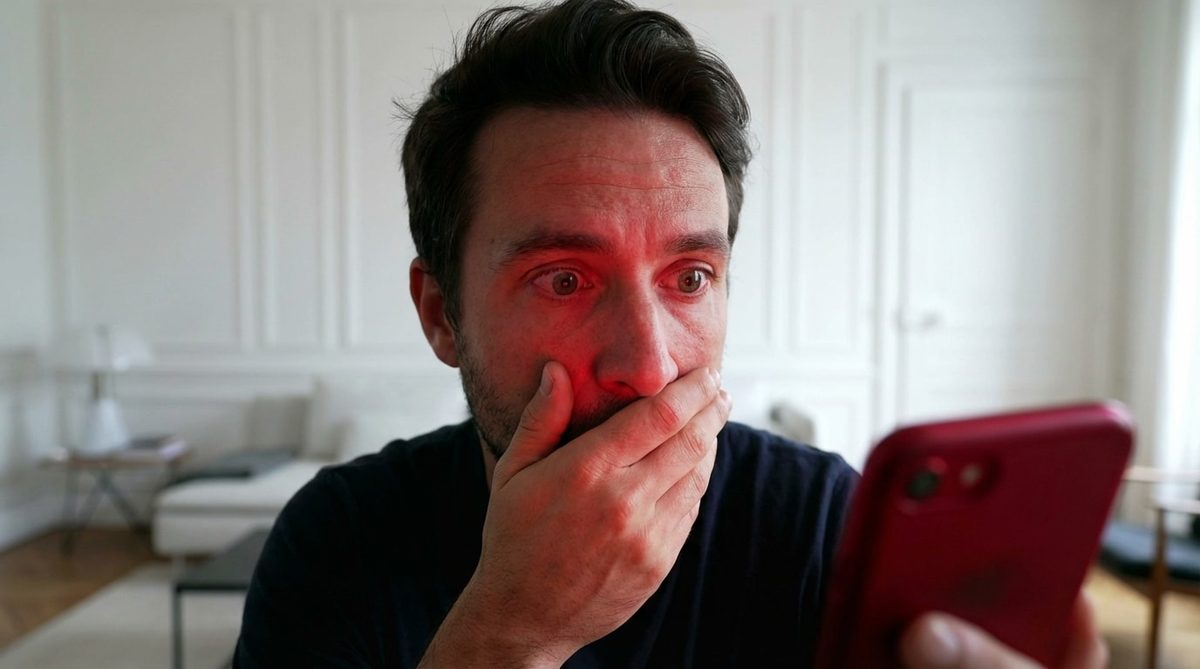
That little jolt in your stomach when your phone lights up? It isn’t just a habit. It is a physiological reaction to what experts call anticipatory anxiety. You are waiting for a message that might bring bad news, urgent demands, or social pressure. That constant state of alertness drains your energy.
Why your brain treats a buzz like a life threat
Your nervous system is wired for survival, not social media. When a phone vibrates in your pocket, your primitive brain interprets it as a potential threat. It releases a disproportionate spike of stress hormones as if you were facing immediate danger. This happens even if the notification is just a coupon offer or a low-priority email.
This reaction is costly. You spend significant mental energy guarding against a device that should be a tool, not a tyrant.
The 2-times-a-day rule for digital peace
The most effective way to break this cycle is to restrict your screen access to two specific windows each day. This is not about total abstinence. It is about control.
When you set fixed times to check your messages, the background hum of anxiety stops. You no longer have to guess what is happening or fear missing out on critical information. The uncertainty disappears. You know exactly when you will address your digital life.
Five steps to make this routine stick
- Delete non-essential notifications. Turn off every red badge and sound alert that is not vital. If a message can wait, it should not interrupt you.
- Choose your two windows wisely. Pick times that fit your natural rhythm. Morning and evening work well for many, but adjust to your schedule.
- Tell your people. Inform friends, family, and colleagues about your new availability. This prevents confusion and sets clear boundaries.
- Use auto-block tools. Enable “Do Not Disturb” modes and scheduled downtime features. Let the technology protect your focus, not distract from it.
- Replace the urge to check with a breath. When your thumb itches for the screen, pause. Take one deep breath. This small pause resets your nervous system and breaks the compulsive loop.
What changes when you stop the hyper-vigilance
Once you stop constantly scanning for interruptions, your mind clears up. Thought becomes fluid rather than fragmented. You notice more of what is happening right now, in the present moment. The stress of potential bad news fades because you are no longer on standby for it.
You take back your time. The daily grind feels lighter. Your attention span returns.
Can you commit to just two digital appointments tomorrow? Try it for a week. The difference in your daily calm might surprise you.