



The whole dairy debate was tired. Saturated fat was the villain. We dumped whole milk, reached for low-fat options, or swapped to oat milk because we assumed less fat meant more health. It felt like a logical trade-off. It probably wasn’t.
A new review in Critical Reviews in Food Science and Nutrition suggests the old narrative was narrow. Maybe too narrow.
The matrix matters
Here is the thing about how nutrition science usually works: it isolates nutrients. You look at fat. You look at calcium. You declare one bad, the other good, and move on. This reductionist view ignores the context of the food itself.
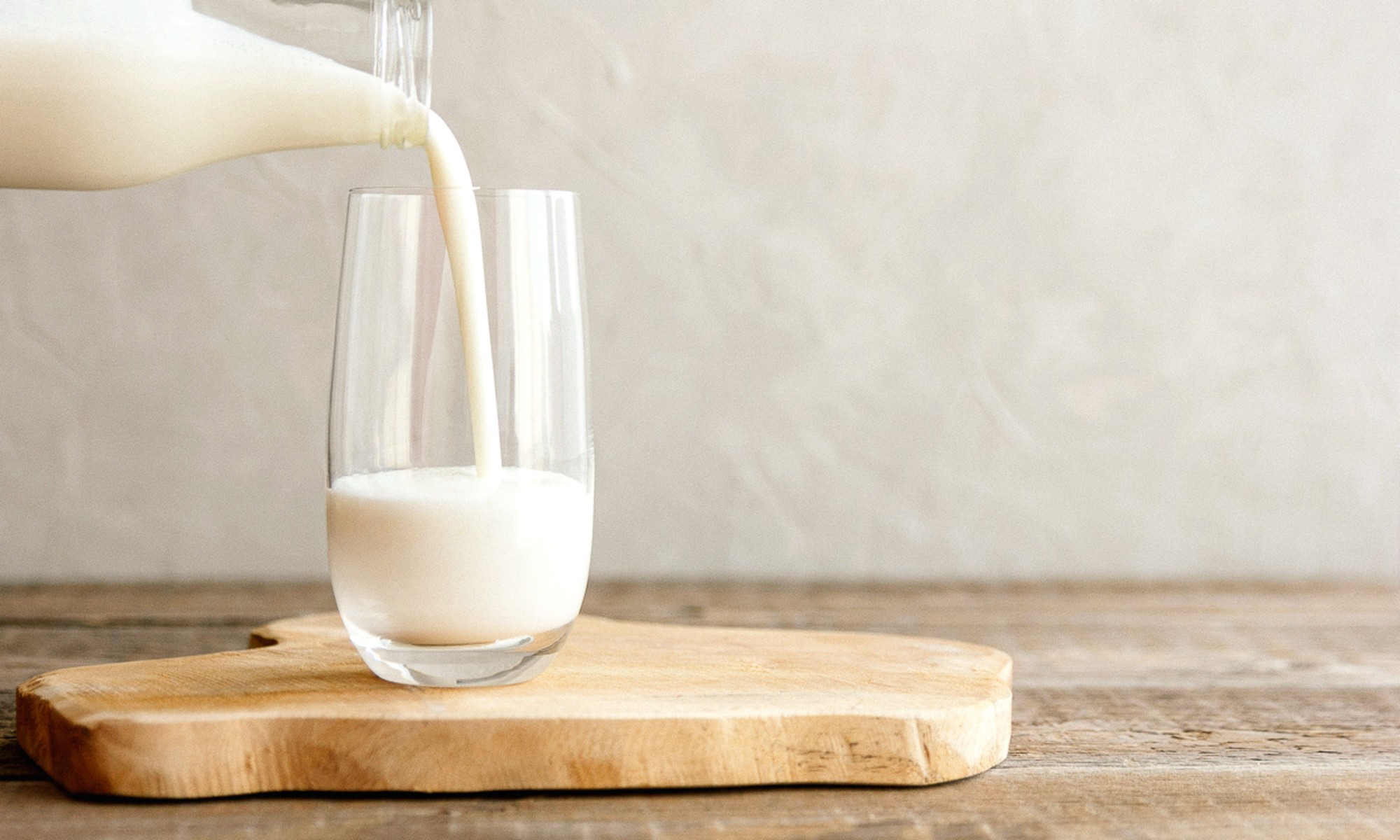
The review introduces the “dairy milk matrix.” Think of it as the ecosystem of the drink. It isn’t just fat, protein, and sugar floating together. It’s the physical structure of the milk that determines how those components behave. How they digest. How they absorb. The authors argue that isolating a component strips it of its function.
You can’t understand the effect of milk by looking at its ingredients list in isolation. You have to look at how they talk to each other.
The review compares this integrated system to plant-based alternatives. It also looks at what happens when we rip parts out of milk and sell them back as supplements, like isolated whey protein or calcium pills. Spoiler alert: context is lost when you separate the parts.
Fermentation is the hero
Data from two large Swedish studies tells a complicated story. These cohorts tracked over 100,00 people for up to 33 years, a serious duration. The results for non-fermented milk were shaky.
Women who drank more than 300 ml of non-fermented milk daily showed a higher risk of ischemic heart疾病. This happened regardless of whether the milk was fat-free or full-fat. The association held true for men too, though less distinctly. Fermented milk, however, showed no such risk.
Fermented dairy gets the best marks across the board. A systematic review of 108 Studies linked fermented milk intake to improvements in cardiovascular health, gut health, bone density, and even mortality rates. It might be the best insurance you can get against poor metabolism.
“The strongest benefit [of fermented dairy] was improved lactose tolerance.”
Is it really just about digestion? Maybe not, but it helps.
The calcium trap
Here is where things get messy for the supplement crowd.
Calcium in food acts differently than calcium in a pill. Meta-analyses hint that calcium supplementation might raise cardiovascular risk in postmenopausal women. The studies weren’t designed to prove this, sure, but the correlation is there. It’s a yellow flag, at least.
Why? Because milk delivers calcium with phosphorus, protein, lactos, and the milk fat glob membrane. This package works synergistically. Supplements lack the supporting cast. They are lone actors in a scene that needs a ensemble.
Plant milks add another layer of confusion. Out of 250+ products analyzed, the results were sparse. Only 70% matched the calcium levels of cow’s milk. Vitamin and mineral fortification appeared in just 13.1%.
And 7%? Pure plants. Nothing added. No fortification.
How to actually eat this stuff
The review doesn’t ask you to throw everything out. It asks for a shift in priority.
Prioritize the fermented. Yogurt. Kefir. These products benefit from a reshaped matrix. Fermentation creates new bioactive compounds and may neutralize whatever in plain milk triggers those unfavorable heart outcomes. It’s a clear win.
Skip the calcium pill. If you can, get calcium from the source. Food-based calcium seems to carry a protective effect for the heart that supplements do not replicate. It’s about efficiency and interaction, not just dosage.
Read the bottle. Plant-based milks are not nutritional twins to dairy. The variability is huge. For adults, maybe it’s fine as a taste preference. For young children? It’s a serious risk. Growth and development rely on consistent nutrition, and water mixed with almonds isn’t enough.
If you drink milk, drink it fermented. If you need calcium, eat it, don’t pill it.
We spent decades fighting a war against fat, only to find out the battle was over the structure of the meal itself. The matrix does the heavy lifting.
The science is settling. Or at least moving away from the single-ingredient obsession. You can still pour that cereal milk, but you might want to choose kefir. Just something to think about while the bowl sits there, waiting.