



The numbers don’t lie.
The 2026 Milliman report says family insurance just hit $35,000 for a family of four. Up 7.2%. But that is the company’s side. You are looking at the other half. About $15,000 coming out of your pocket through contributions and copays.
And the biggest driver? Not heart attacks. Not cancer. It’s the little needles.
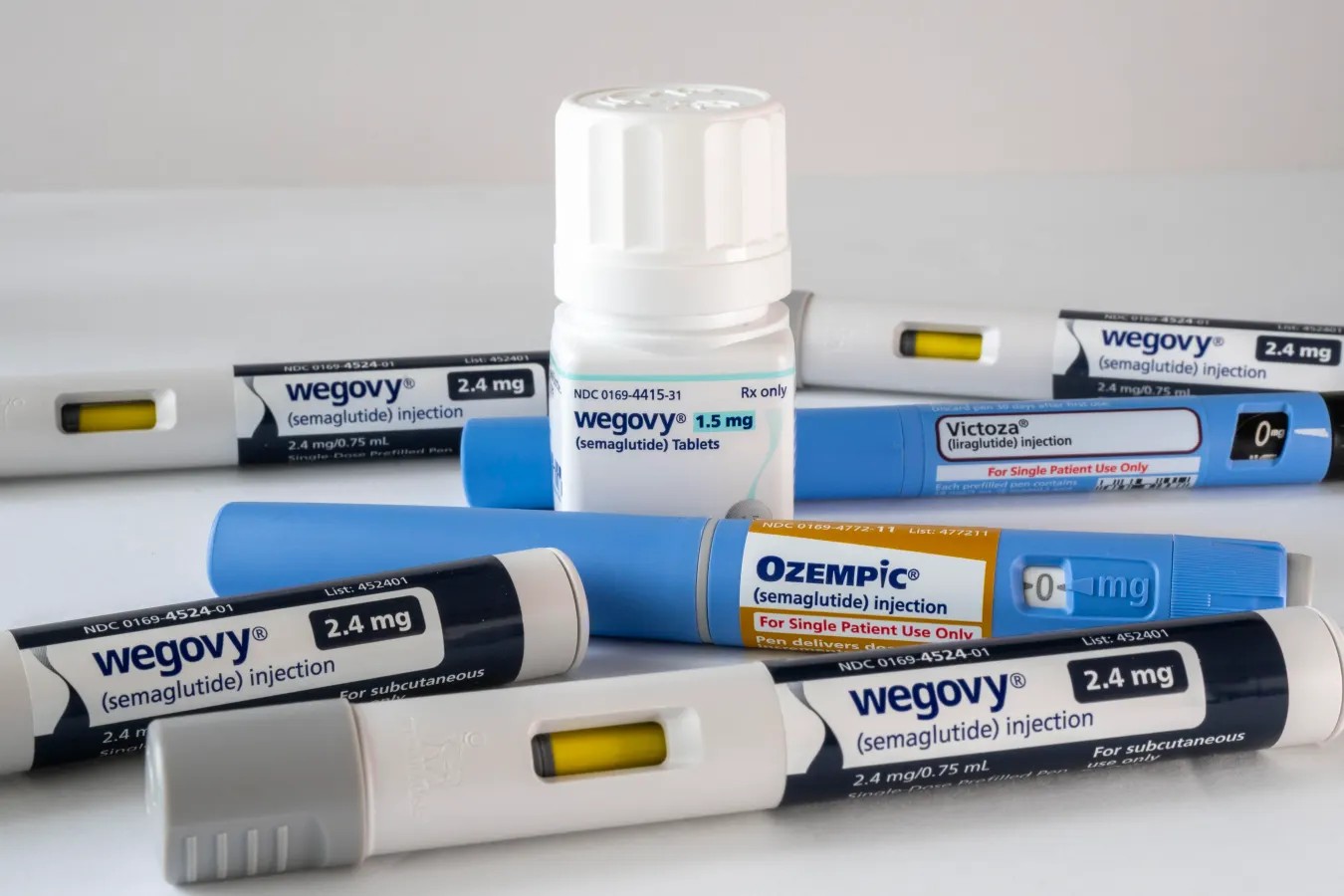
GLP-1 drugs. Ozempic. Zepbound. Wegovy.
Pharmacy costs are exploding. Milliman sees a 14.8% jump in that single category. Prescription drugs now account for 13% of family health spend. $4,700 a year just on pills. The report notes that diabetes and weight-management meds have become a “meaningful and growing component.” A nicer way of saying they are bleeding budgets.
What happens when bills rise? Companies get clever. They shift the weight. Your premiums go up. Deductibles tighten. The co-pay stings.
Employers were already sweating.
Last August, the Business Group on Health warned that coverage for GLP-1s (non-diabetic use) would stall. They aren’t going to stop completely. Not yet. But they are building walls. Utilization management. Specific doctors only. Mandatory weight loss programs. They want you to earn the coverage. They want “sustainable, cost-effective models.” Corporate speak for prove it’s worth it to us.
Is anyone surprised?
A survey from earlier this year showed that only 72% of plans will keep covering weight loss meds in 2027. Ten percent said flat no. They are likely to not.
The problem goes deeper than just weight loss. Specialty drugs in general are the boss fight. A report from PSG at a conference in Las Vegas showed that 43% of health plans rank managing specialty drug costs as their number one priority. Even more than managing total cost of care, which landed at 41%.
Morgan Lee from PSG put it plainly. Payers are prioritizing trend management. They are reassessing rebates. They are looking at pharmacy and medical benefits not as separate boxes but as one big expense they need to shrink.
The path forward for those pills isn’t smooth. It is gated.
If you want them covered, you will likely need a specific doctor, a program, and patience. The easy access we saw recently is closing the door. Or maybe the lock just got heavier.