




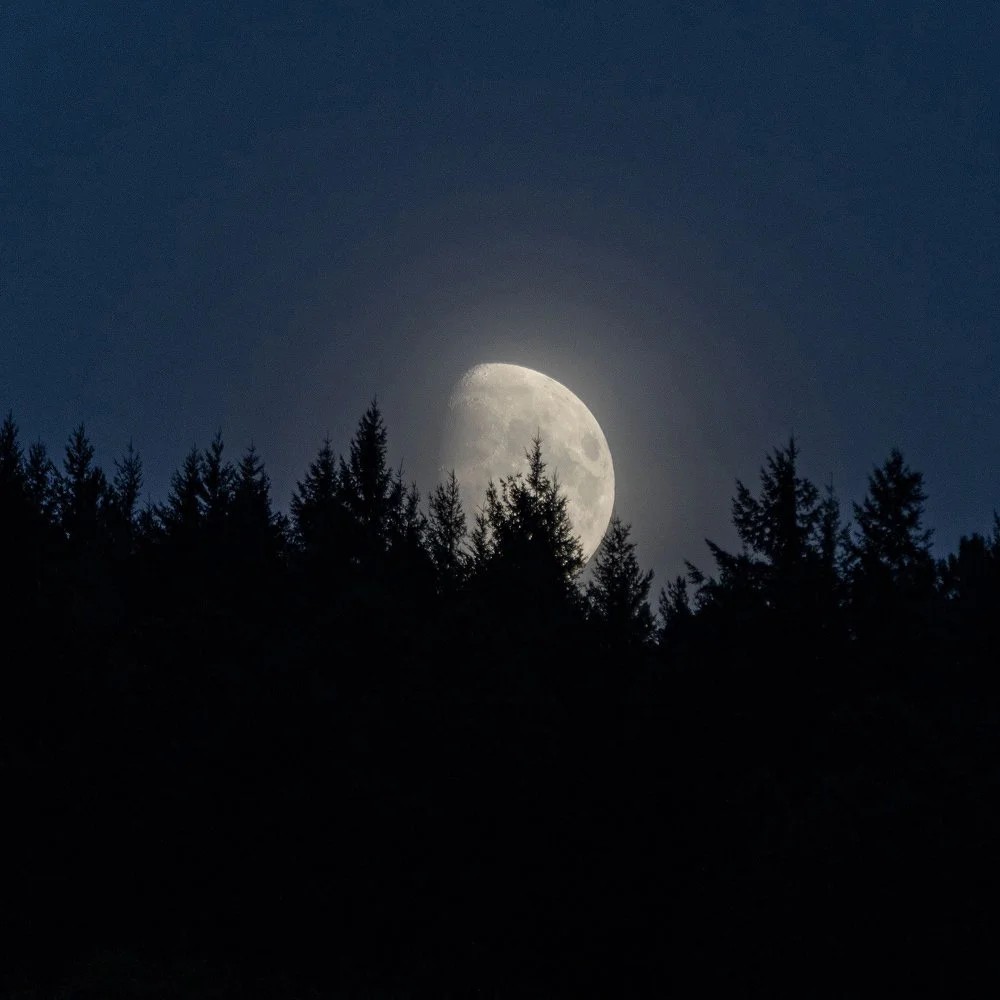
Waking up from a bad dream changes things. The room feels wrong. Shadows stretch. A floorboard creaks.
You know you are safe. Your brain knows it. But your heart? Your heart doesn’t care about facts. It just knows danger.
Fear of the dark is not just a childhood thing. Adults get it too. We call it nyctophobia.
“For some people it isn’t the dark itself that triggers the panic, but the uncertainty it brings.”
When the lights go out, the visual world disappears. Your brain starts filling in the blanks. Anxiety takes over. Sleep becomes impossible.
What is nyctophobia?
Nyctophobia is more than just being “spooked.” It is a clinical specific phobia. An irrational fear of darkness that disrupts daily life.
The word comes from Greek. Nyktos for night. Phobos for fear. Sometimes providers call it scotophobia or lygophobia. But the experience is the same.
Untreated, it limits you. You might stop going out after sunset. You avoid movie theaters. You stay inside when it gets dark.
It’s normal to be slightly cautious. Evolution wired us that way. Our ancestors needed to fear the night. Predators hunted then.
Nyctophobia isn’t that baseline caution. It’s the extreme. All-consuming. It needs attention.
How do you spot it?
It shows up in the body first.
- Panic in familiar rooms, like your own bedroom
- Physical reactions — sweating, rapid heartbeat, shortness of breath
- Avoidance of nighttime outings or social events
- Keepsakes of light — leaving every lamp on through the night
- Insomnia — trouble sleeping in a dark room
- Obsessive thoughts — wondering what is lurking in the corner
- Anticipatory anxiety — stress building hours before sunset
Why does it happen?
Usually it’s a mix.
Maybe a childhood nightmare. Maybe feeling alone as a kid. Or maybe trauma that happened at night.
Darkness removes distractions. No screens. No noise. Just you and your thoughts.
Common triggers include:
- Unsafe childhood memories
- Past trauma linked to isolation
- Generalized anxiety
- Poor sleep leading to exhaustion
- Stories or media that taught you to fear the dark
- Biology — humans rely on sight
When you can’t see, you guess. Your brain leans on memory. If the memory is scary, the present becomes scary.
7 Ways to cope
You don’t have to force yourself into the dark. That’s not how nerves work. You ease them out.
Choose one or two tips. Try them gently.
1. Dim slowly
Bright lights to total black is a shock.
Shift the brightness. Spend the last hour before bed lowering the light.
Use warm bulbs. Small lamps. Maybe an LED strip behind furniture. Enough light to feel safe, but dim enough to relax.
2. Build a “safety” routine
Create a ritual that says I am safe.
- Lock the doors
- Clear the path to the bathroom
- Prepare things for the morning
- Take a warm shower
Ground your body. Warm water on skin helps. It reminds you of the present.
3. Use your senses
Darkness makes sight useless. Use touch instead.
A weighted blanket helps. A soft pillow. Lavender scent.
Focus on fabric. Focus on your breathing. Give your brain something real to hold onto.
4. Let audio fill the silence
Silence lets thoughts spiral.
Play something. A guided meditation. A body-scan exercise. A gentle sleep story.
Doesn’t have to be music. A steady voice works. It keeps you company. You don’t need to close your eyes. Dim room. Open eyes. Just listen.
5. Keep tools close
Panic spikes when you feel cut off.
Keep small objects nearby.
- A cool stone
- A textured fidget
- A stuffed animal
Touch is grounding. When vision fails, touch anchors you.
6. Exposure therapy, gently
Not exposure therapy where someone throws you into a closet.
Go slow. Spend two minutes in dim light. Then one minute.
Sit in a dark room with someone you trust nearby. Crack a door for a sliver of light.
The goal isn’t to brave the dark. The goal is to show your nervous system: Nothing bad happened.
If fear spikes? Step back. Breathe. Try again tomorrow.
7. Talk to someone
Secrets keep fears big.
Tell a partner. A friend. A therapist.
Isolation fuels the fear. Sharing it shrinks it. A therapist can help trace the root. Maybe it’s old trauma. Maybe it’s just learned anxiety.
Either way, naming it helps.
Common questions
What’s the difference between nyctophobia and everyday fear?
Everyone dislikes pitch blackness. Nyctophobia stops you from living your life. It’s irrational. Intense. Persistent.
Is it weird to fear the dark as an adult?
No.
It’s common. Many carry childhood fear patterns into adulthood. Or they develop it later due to stress.
Hiding it makes it worse. You’re not immature. Your nervous system is just stuck.
Can trauma cause this?
Yes. If the dark meant danger when you were young, your brain never updated the file.
It stays on guard. Racing heart. Tension. Even when the present is safe.
Therapy helps. Specifically trauma-focused work like EMDR or CBT.
Can I “cure” it?
Not overnight. No magic switch.
But you can manage it. You can reduce it. Gradual exposure and grounding skills work. Progress is slow. But it adds up.
Does meditation help?
It calms the nervous system.
It shifts you from high-alert to relaxed. Simple breathing. Slow narration. It gives structure to the dark.
The ending isn’t tidy. You won’t love the dark tomorrow. Maybe not for weeks.
But tonight, you can turn off the overhead light. Leave one lamp on. Breathe.
Try that first.