




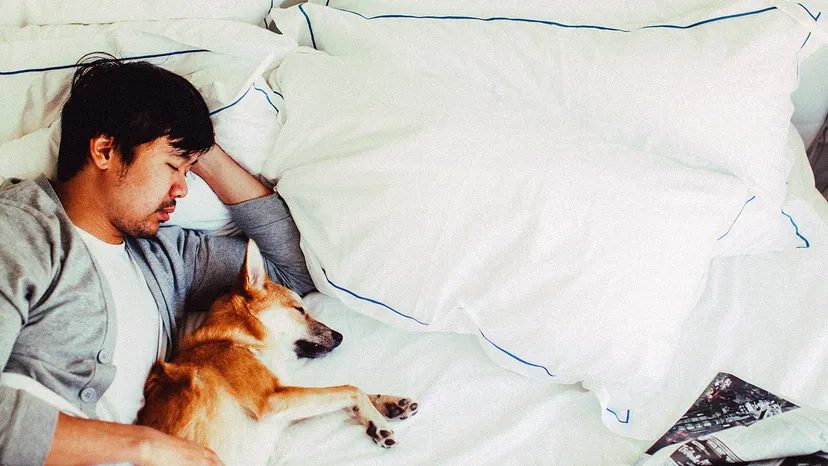
We often use sleep as an excuse to procrastinate, but it’s actually scientifically proven that sleep is the brain’s hard drive. Researchers from Germany’s Ruhr University Bochum and the University of Bonn wanted to understand exactly how sleep affects memory consolidation. Their findings, published in Nature Communications in October 2018, show that when you are out cold, the brain practices what it has learned.
This trial was based on a unique group of participants: epilepsy patients undergoing planned surgery. These people had electrodes implanted in their brains, which allowed the researchers to record neural activity with high precision. The task is easy. Participants studied a series of pictures. Then they took a nap. While they slept, the researchers monitored high-frequency brain activity, particularly in the gamma band.
What they found was shocking. The patterns of gamma activity that appeared while the patients were looking at the images reappeared during sleep. The brain reactivates these memories.
“Forgotten images don’t just disappear from the brain.”
—— Dr. Zhang Hui
However, reactivation alone does not guarantee recall. Many participants were unable to recall the reactivated images after waking up. The decisive factor is in the hippocampus. This area is important for the formation of new memories. During sleep, the hippocampus produces distinct bursts of activity known as “ripples”.
Two things have to happen at the same time for an image to leave a lasting impression. First, gamma band activity must be present. Second, these gamma waves must be synchronized with hippocampal ripples. This arrangement serves as a filing system. Without the ripples, the information remains unstable.
The depth of processing is also important. The researchers divided the initial learning phase into two phases. Superficial processing takes place during the first 0.5 seconds of displaying the image. Deep processing follows when the brain engaged more intensely with the content.
The results showed a clear difference. When the deep processing stages of gamma activity were reactivated during sleep, along with ripples in the hippocampus, the participants remembered the images. If only the superficial stage was reactivated, the memory faded. To permanently archive memories, the brain requires deeper engagement.
This mechanism highlights why sleep is more than just a period of passive rest. This is an active state of neural maintenance. The interaction of gamma waves with hippocampal ripples determines which experiences survive the night and which are discarded.
The National Sleep Foundation notes that humans are the only mammals that willingly delay sleep. Given how actively the brain consolidates memories during rest, ignoring this urge may come at a cognitive cost. Your brain is still working even when you are resting. You might as well let it do its job.