





We have spent decades treating aging as a pathology. It is not. It is a biological process. If we stop viewing the passage of time as a slow decline into sickness, we change the entire game.
Research suggests that living past 100 is not just possible but probable for many of us. The key lies in maintaining the vigor of someone half that age. Or younger. This requires a shift in perspective. We must separate the inevitable wear and tear of time from the diseases that often accompany it.
Why Distinguishing Aging from Disease Matters
The confusion between aging and disease has led to a reactive healthcare system. We wait for symptoms to appear before we act. But aging itself is not a disease. It is a fundamental characteristic of multicellular life.
Diseases like cancer, heart disease, or Alzheimer’s are specific failures of biological systems. Aging is the accumulation of damage over time. These are two different things. Confusing them leads to poor outcomes. We treat the symptom, not the root cause. We treat the malfunction, not the aging process.
This distinction is critical. If aging were a disease, we would have a cure. We do not. We have treatments for specific conditions. But understanding aging as a separate entity opens up new avenues for intervention. It allows us to focus on maintaining biological function rather than just fixing broken parts.
The Five Pillars of Biological Longevity
Living longer with vigor requires more than just avoiding illness. It demands a proactive approach to biology. Here are the five core principles to live a longer, healthier life.
1. Aging Is Not a Disease
As stated, this is the foundational concept. You can be old and healthy. You can be young and sick. Age is a number. Health is a state of being. They are not synonymous.
“Aging is not a disease. It is a biological process that can be influenced by lifestyle and environment.”
This means that your chronological age does not dictate your biological age. You can have the arteries of a 40-year-old at 70. You can have the cognitive sharpness of a 30-year-old at 80. It requires effort. It requires understanding how your body works.
2. Mitochondria Are the Engine
Your cells run on mitochondria. They are the power plants. As you age, these power plants become less efficient. They produce more waste. Less energy. This is why you might feel tired. It is not just psychological. It is cellular.
Improving mitochondrial function is a primary goal. Exercise helps. Fasting helps. Certain nutrients help. The goal is to keep these engines clean and efficient. A healthy mitochondria means more energy. Better repair. Slower decay.
3. Inflammation Is the Silent Killer
Chronic inflammation is the enemy of longevity. It is not the acute inflammation that heals a cut. It is the low-grade, constant fire that smolders in your body. It damages tissues. It accelerates aging.
What causes it? Poor diet. Stress. Lack of sleep. Environmental toxins. Reducing inflammation is not just about feeling better today. It is about protecting your future self. An anti-inflammatory lifestyle includes whole foods, movement, and stress management.
4. Autophagy

The clock doesn’t tick down to zero. It ticks down to irrelevance. We’ve been sold a lie that curing heart disease or eradicating cancer is the holy grail of longevity. It isn’t. Even if we wiped those killers off the map tomorrow, we’d gain maybe ten years. A decade. That’s it. The real enemy isn’t the disease. It’s the decay. The frailty. The slow collapse of the machinery that makes life worth living.
If you want to actually live longer, you have to look at the engine, not the crash reports.
The Tug-of-War Between Damage and Repair
This is the core mechanic of human aging. It’s not a single failure point. It’s a constant, exhausting battle between two forces. On one side, you have the damaging agents. On the other, your body’s repair mechanisms.
Think of it as a financial ledger. Every day, you’re spending capital. Every day, you’re trying to make deposits. If you’re constantly in the red, you go bankrupt. In biological terms, that’s frailty. That’s the state where you’re alive, but you’re broken.
The Damage Side
What’s eating away at you? It’s everywhere. And it’s not just “bad luck.”
- Oxidative stress: Free radicals are like rust in your car’s engine. They eat at your cell membranes, your DNA, your proteins. You can’t stop them completely. You can only mitigate them.
- Inflammation: This is the silent killer. Chronic, low-grade inflammation isn’t a response to injury; it is the injury. It’s your body’s immune system turning on itself, slowly grinding down tissues.
- Metabolic waste: Your cells produce garbage as they work. If the cleanup crew doesn’t show up, the trash piles up. Lysosomes get clogged. Cells get bloated and dysfunctional.
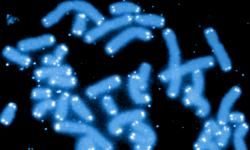
- Telomere shortening: The caps on your chromosomes fray with every division. Eventually, the cell can’t replicate. It dies or goes into senescence. Zombie cells. They don’t function, but they don’t leave. They just sit there, secreting inflammatory signals that poison the neighborhood.
The Repair Side
Your body has a toolkit. It’s impressive. It’s also finite.
- Autophagy: The ultimate recycling bin. Your cells eat their own damaged parts. They break them down and reuse the components. It’s messy, but essential. When autophagy slows down, garbage accumulates.
- DNA repair: Enzymes constantly scan your genome for errors. They fix double-strand breaks. They patch up mismatches. But they get tired. They get overwhelmed.
- Protein turnover: Misfolded proteins are toxic. Chaperone proteins help them fold correctly. If they fail, you get clumps. Aggregates. Think Alzheimer’s. Think Parkinson’s.
- Stem cell replenishment: You have a reservoir of fresh cells to replace the old ones. That reservoir shrinks over time. Eventually, the demand outstrips the supply.
The goal isn’t to stop damage. You can’t. The goal is to keep the repair crew fully staffed and fed. To keep the ledger in the black for as long as
Why Chronic Inflammation Drives Cellular Decline
The goal isn’t just to dodge the occasional breakdown. It is about teaching your cells to fix themselves faster. Think of your body like a car. You get more miles out of it with routine maintenance. Aging happens because cells lose resilience. They stop repairing damage efficiently. This happens when mitochondria and telomeres fail. Or when you expose your body to toxins. You can boost this resilience. You can avoid the potholes that cause damage.
The Cumulative Cost of Daily Wear
We often think of aging as a sudden event. A heart attack. A broken hip. Those are acute problems. But aging is mostly about the big picture. It is the slow accumulation of damage. Every day, your cells face stress. Oxidative stress. Inflammation. Metabolic waste. Your body repairs most of it. But not all of it. The gaps add up.
Mitochondria are the power plants. They produce energy. As they age, they produce more waste products. Free radicals. These attack other cells. Telomeres are the caps on your DNA. They shorten with every division. When they get too short, cells stop dividing. They become senescent. These zombie cells do not just sit there. They send out inflammatory signals. They harm neighboring cells.
How to Protect Your Cellular Resilience
You have some control. You cannot stop time. But you can slow the damage. Lifestyle choices matter more than you think. Sleep is non-negotiable. During deep sleep, your brain clears out metabolic waste. Your cells repair DNA. Skip sleep, and the repair process stalls.
Diet plays a huge role. Ultra-processed foods spike insulin. This causes inflammation. Chronic inflammation accelerates cellular aging. Eat whole foods. Prioritize protein. Get enough fiber. Your gut microbiome communicates with your cells. A healthy gut reduces systemic inflammation.
Exercise is the best maintenance you can perform. It forces your mitochondria to adapt. They become more efficient. They produce less waste. Resistance training preserves muscle mass. Muscle is metabolic tissue. It helps regulate blood sugar. Cardio improves circulation. It delivers oxygen and nutrients to every cell.
Managing Stress and Environmental Exposures
Stress is not just a feeling. It is a physiological response. Cortisol and adrenaline flood your system. High levels of cortisol break down tissue. It suppresses the immune system. Chronic stress shortens telomeres. Meditation. Breathing exercises. Time in nature. These lower cortisol. They help your body repair itself.
Environmental toxins also accelerate aging. Pesticides. Heavy metals. Air pollution. You cannot avoid all of them. But you can reduce exposure. Filter your water. Choose organic when possible. Ventilate your home. Avoid plastic containers for hot food. These small steps reduce the load on your detoxification pathways.
The Role of Supplements and Medical Interventions
Some people turn to supplements. NAD+ boosters. Resveratrol. Curcumin. The science is promising. But it is not settled. Most studies are on animals. Human trials are ongoing. Do not expect miracles. Supplements are not a replacement for sleep and diet. They are an add-on. Talk to your doctor. Some supplements interact with medications.
Medical interventions are also evolving. Senolytics are drugs that kill senescent cells. Early trials

We spend a lot of time chasing quick fixes. A new cream for wrinkles. A supplement for back pain. A device for heart health. But there is a more fundamental truth hiding in plain sight. The real secret isn’t about fixing one broken part. It’s about slowing the aging of our cells. This prevents disease. It slows down the clock.
How do you actually do that?
You stop looking only at the major conditions you already know about. You start looking at the “Major Agers” in your body. Most of these are things you’ve probably never heard of. Yet, you can do something about them.
Let’s look at three examples. These are the invisible drivers of biological decay.
Short Telomeres and Memory Loss
Telomeres are short little tips at the end of chromosomes. Think of them like the plastic aglets on your shoelaces. They protect the rest of the strand. When they shorten, your cells age faster. You become vulnerable.
The risk isn’t just physical. It’s cognitive. Short telomeres are linked to a higher risk of memory loss.
Exercise can help. It prevents them from shortening further. It’s a simple lever. Pull it, and you might buy yourself more time.
Inefficient Mitochondria and Cardiovascular Rust
Mitochondria are the power plants in your body. They generate energy. When they don’t work efficiently, things go wrong. It triggers a chemical process that causes oxidation.
Your cardiovascular system starts to rust. Like a bicycle left in the rain. The pipes clog. The flow slows.
Omega-3 fatty acids can help. Those found in fish. They slow the damage. You aren’t just feeding your cells. You’re protecting the infrastructure.
Nitric Oxide and Arterial Flow
You have a short-lived gas in your body called nitric oxide. It’s crucial. It opens up your arteries. This allows better blood flow to the heart. It helps other important organs too.
As you age, your ability to generate nitric oxide decreases. Your arteries tighten. Flow slows.
Unless you know how to turn on the biological tank. Deep, nasal breathing activates nitric oxide. It opens the arteries. It’s a physiological switch. You can flip it.
The Vagus Nerve: The Highway to Longevity
There is another player here. One that connects all of these dots. It’s not a cell. It’s a nerve.
The vagus nerve.
It runs from your brainstem down to your abdomen. It’s the longest nerve in your body. It connects your brain to your heart, your lungs, and your gut.
Why does this matter?
Because the vagus nerve regulates your stress response. It controls your inflammatory response. It helps your body return to a state of calm.
High stress kills cells. It shortens telomeres. It damages mitochondria. It stops nitric oxide production.
Activating the vagus nerve might be the missing link. It’s not just about eating right. It’s about signaling safety to your body.
How do you activate it?
Humming. Laughing. Cold exposure. Deep breathing. These aren’t just trends. They’re mechanisms. They send a signal. The signal says, *We are

If you want to slow down the clock, look at the wiring. Specifically, the vagus nerve. This isn’t just some obscure anatomy lesson. It’s a long, complex cable that shuttles information from your gut straight to your brain. It connects everything in between. And right now, anti-aging researchers are staring at it like it’s the Holy Grail.
Why? Because it holds the keys to managing the “Major Agers.” You know the drill. Chronic stress. Cellular decay. The slow grind of time wearing you down. Scientists are finding that modulating this specific nerve might be the best way to handle those processes.
Here is the big one: inflammation.
We’ve been told inflammation is bad. In high doses, sure. But chronic, low-grade inflammation? That’s the silent killer. It’s the rust inside the engine. If we can modulate the vagus nerve, we can help control that destructive fire throughout the body.
So how do you flip the switch?
Meditation.
The Mechanics of Stillness
It sounds too simple. You sit there. You do nothing. And it works.
This is part five of our deep dive into longevity hacks. We’ve covered sleep, diet, and movement. Now we hit the nervous system. The vagus nerve is the main highway of the parasympathetic nervous system. That’s your “rest and digest” mode. Most of us are stuck in “fight or flight.” Always on. Always braced.
When you meditate, you’re not just clearing your head. You’re physically stimulating the vagus nerve.
Research shows that this stimulation increases vagal tone. High vagal tone is linked to better heart rate variability. It’s linked to lower cortisol levels. It’s linked to a reduction in pro-inflammatory cytokines. Basically, you are telling your body to stop attacking itself.
Why “Doing Nothing” Is Active Work
Don’t mistake stillness for laziness. This is active biological regulation.
When you engage in mindfulness meditation, you’re shifting the balance. You’re dampening the sympathetic response. The result? A cascade of calm.
“If we can modulate the vagus nerve, we know that we can help control destructive inflammation throughout our body.”
This isn’t woo-woo. This is measurable physiology. Studies have shown that regular meditation practice can reduce markers of inflammation like C-reactive protein (CRP). For anyone looking to optimize aging, that’s huge. Chronic inflammation accelerates every aging process. From joint degradation to cognitive decline.
How to Stimulate the Vagus Nerve Without a PhD
You don’t need a clinical setting. You don’t need expensive gear.
- Deep Diaphragmatic Breathing: Slow, deep breaths. In through the nose, out through the mouth. The exhalation is key. It triggers the parasympathetic response.
- Cold Exposure: Some people use cold showers. Others just splash water on their face. The shock stimulates the nerve.
- Humming or Singing: The vagus nerve passes through the vocal cords. Vibrations from humming or chanting can stimulate it directly.
- Gargling: Yes, really. Garg

We tend to treat sleep like a passive event. You’re either a natural slumberer or a chronic insomniac, and your role in the process is basically zero. That’s a dangerous misconception. Sleep isn’t something that just happens to you. It’s an active biological protocol. Think of it like washing your face or hitting the gym. You can’t skip the steps and expect results. You need a specific program to get what you actually need: restorative, peaceful sleep.
The stakes are higher than we usually admit. Some researchers argue it matters more than food. Why? Because without enough deep sleep, your body shuts down its ability to produce growth hormone. No growth hormone means no regeneration. Your tissues don’t repair. The damage associated with aging just piles up, unchecked.
The mechanics of repair
When you enter deep sleep, your pituitary gland releases pulses of human growth hormone (HGH). This isn’t just about building muscle mass in the gym. It’s about cellular maintenance. It’s the signal that tells your body to fix micro-tears in muscles, repair skin, and clear out metabolic waste products from the brain via the glymphatic system.
If you cut your sleep short or fragment it with alcohol, you miss these peaks. The result is a body that stays in a state of low-grade decay. You aren’t just tired. You’re biologically stagnant.
Why “good” sleepers still fail
Being a “good” sleeper doesn’t mean you wake up refreshed every time. It means your sleep architecture is generally intact. But even natural good sleepers can derail their own protocols.
- Temperature: Your core body temperature must drop to initiate deep sleep. A room that’s too warm blocks this transition.
- Light: Blue light from screens suppresses melatonin, pushing your circadian rhythm later.
- Consistency: Going to bed at different times confuses your internal clock, making the onset of deep sleep harder to achieve.
Making it a program
You don’t need a medical degree to hack this. You need discipline. Treat your bedtime routine like a pre-workout regimen.
- Cool down. Keep your bedroom between 60-67 degrees Fahrenheit.
- Darken. Block out light. Even small LEDs can interfere with hormone production.
- Timing. Stop caffeine six hours before bed. It has a half-life that keeps adenosine receptors blocked, preventing deep sleep pressure from building.
The cost of skipping
You might think you can make up for lost sleep on the weekend. You can’t. Deep sleep is not a bank account. You don’t deposit hours and withdraw them later. The window for growth hormone release is tied to the first few cycles of the night. Miss that window, and the repair process is compromised for that night. It doesn’t rewind.
Is it worth the effort? Consider what happens when you don’t prioritize it. The fog. The irritability. The slower recovery from minor illnesses. It’s not just about feeling good tomorrow. It’s about whether your cells can keep up with your lifespan.
The body is always listening. The question is whether you’re giving it a clear signal to start the work.