


The numbers are ugly. The World Health Organization predicts global cancer cases will jump from roughly 20.6 million right now to nearly 35 million in 2030. Wait, 2050. Close enough for a doomsday headline. It is a 70% surge.
Here is the uncomfortable truth. Better drugs won’t fix this. Scientific miracles cannot outrun demographic inevitability. Unless we address the deep rot in global health equity, millions will keep dying from cancers we could stop.
It’s Not Just Luck
Why are we getting more sick?
Age. It’s mostly just age. People live longer now. Populations swell. You spend more years on Earth, your odds of a malignant cell throwing a party go up. That’s biology, not malice.
But it is not only biology. Nearly 40% of these cancers come from choices we make. Or environments we are trapped in. Tobacco. Alcohol. Sitting on your ass all day. Obesity. The CDC notes obesity is tied to at least twelve different cancers—breast, pancreas, liver, you name it. We are eating and living ourselves into disease.
The Geography of Hope
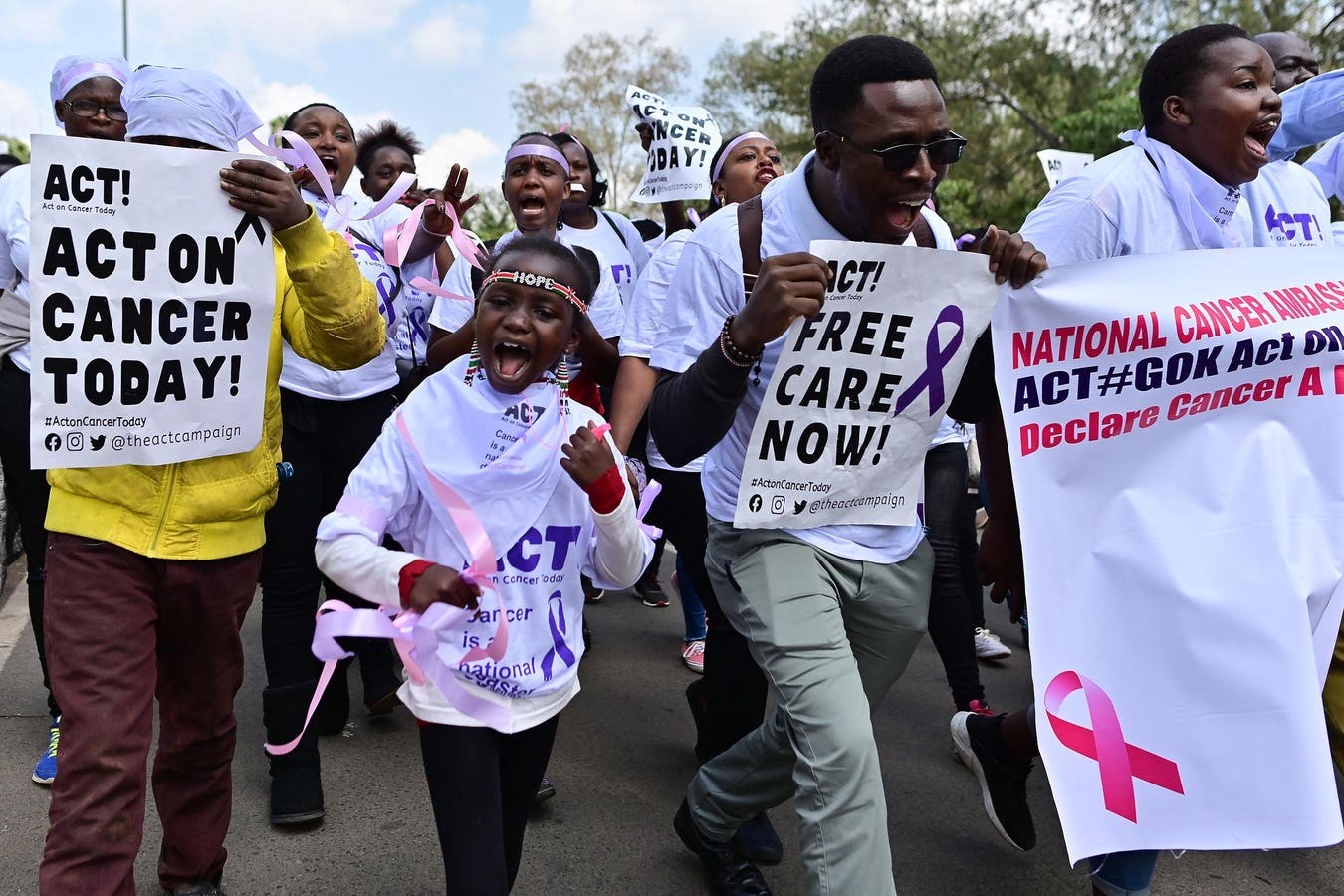
The real villain isn’t the tumor. It’s the wallet.
We have the cure. Or we have the tools. The problem is you have to buy them.
In rich nations, 87% of women with breast cancer survive five years. In poor ones, it’s 42%. That gap is not science. That is infrastructure. Less than a third of countries cover comprehensive cancer care in their public health plans. In some places, 90% of people skip treatment. Not because they want to die, but because they are too poor to stay alive.
“Less than 1 in 3 countries include comprehensive cancer care within universal health coverage.”
It’s absurd. A diagnosis becomes a financial death sentence before the physical one arrives.
Glimmers
We can’t ignore the good stuff, even if it feels sparse.
Global smoking rates are down 27% since 2101. Wait. 2010. That helps. Lung cancer cases follow the smoke. The HPV vaccine is now in 85% of national programs. Cervical cancer is virtually disappearing for young girls in parts of Europe. Screening works. When you actually do the work, early detection saves lives. Public health investments pay off. If they weren’t so… preventable.
Beyond the Body
Cancer is an economic event.
Forty-five percent of patients face financial hardship. The cost isn’t just chemo bills. It’s lost wages. It’s isolation. Caregivers burn out. The disease leaks into families and communities, draining resources and stability. It’s a social crisis masquerading as a medical one.
The Choice Ahead
2050 is still three decades away.
The WHO isn’t just handing us a prophecy. It’s handing us a bill. We need to fix the broken parts of healthcare systems. Expand prevention. Build hospitals where there aren’t any. Stop treating health as a luxury good.
Getting sick should depend on luck. Getting treated should depend on need. Currently, it depends on a zip code and a bank balance. That is not a system worth saving. It needs replacing. Or at least, it needs fixing. Right before we all turn eighty and watch the numbers tick upward.