



You know the feeling. Tight chest. Sweat on the palms. The heart beating like it’s trying to escape your ribcage.
We talk a lot about those symptoms. We name them. We treat them as things that live in our heads, in our lungs, in our hearts.
But here’s the part people ignore. Your stomach knows.
Anxiety isn’t just a mental storm. It’s a physical wrecking ball, and the gastrointestinal system takes some of the biggest hits. Ashkan Farhadi MD, a gastroenterologist in Fountain Valley, California, puts it plainly: anxiety plays a major role in GI function. It changes how fast or slow food moves through you. It cranks up inflammation. It messes with the whole operation.
If you want a calmer brain, you might need a happier gut.
The Wire Between Head and Gut
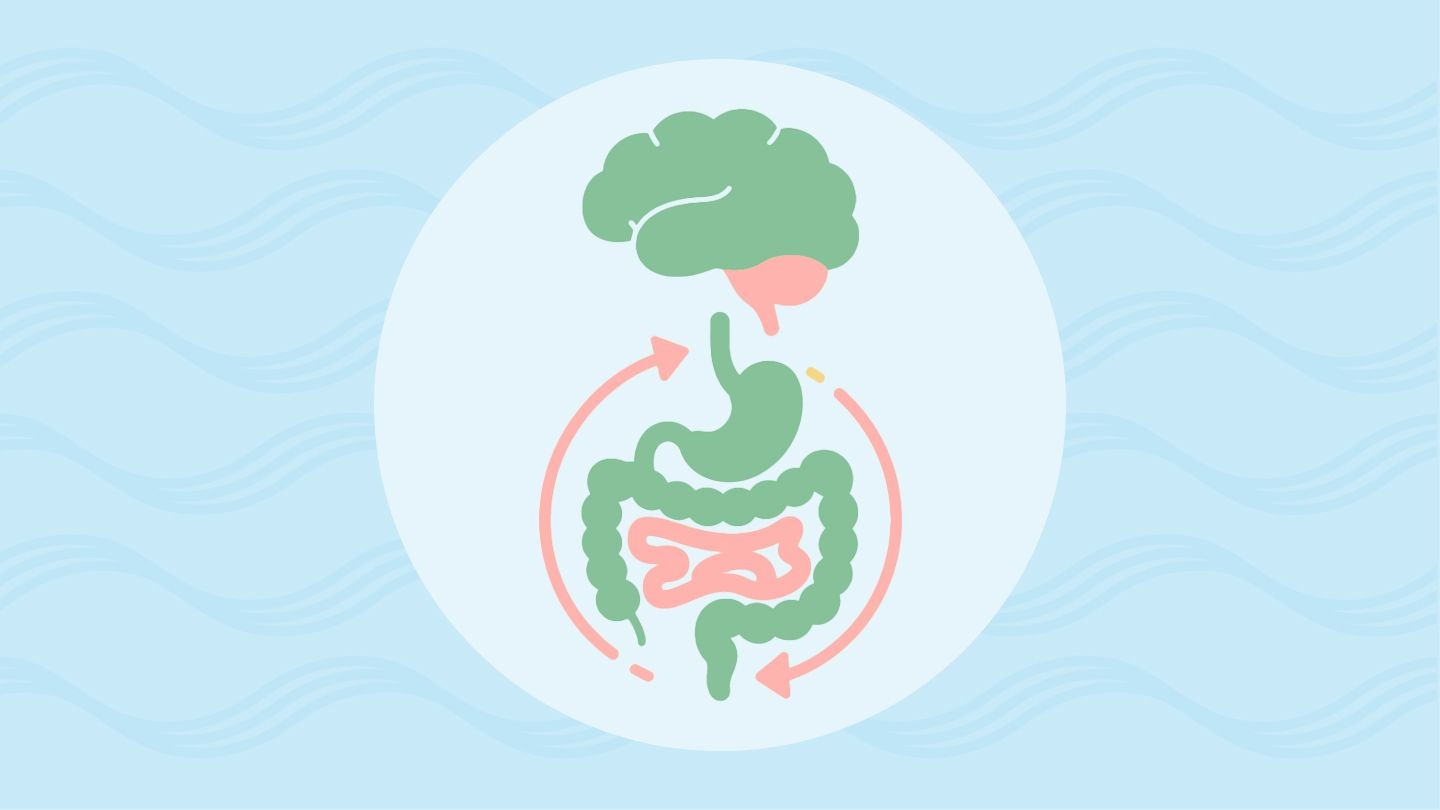
It’s called the gut-brain axis.
It sounds fancy. It’s just a conversation.
The digestive system talks to the central nervous system all the time. The enteric nervous system (that’s the guts) and the vagus nerve (a major highway in the rest-and-digest system) are passing notes back and forth. Your brain tells your gut when you’re scared. Your gut tells your brain if things are fermenting, absorbing poorly, or just feeling wrong.
It’s a two-way street.
When stress hits, your body dumps hormones and neurotransmitters. You’re prepping for a fight. You don’t have time to digest a sandwich. So digestion slows down. Or it speeds up, panic-style. Diarrhea. Constipation. Cramps.
Farhadi says it’s hard to know what came first. The anxiety? The stomachache? They feed each other. It’s a loop. Breaking that loop is the goal.
“Many times, it’s difficult to know… because they affect each other so much.”
When Your Stomach Speaks Up
Rudolph Bedford MD, a gastroenterologist near Los Angeles, sees it constantly. Bloated. Gassy. Tightness like knots are being tied deep inside. Loss of appetite. Pain.
The stats back it up. Research suggests anxiety co-occurs with over 43% of reflux cases. It’s there in about 32% of inflammatory bowel disease patients. Another 32% of people with irritable bowel syndrome or other gut-brain disorders carry anxiety baggage too.
Is it all in your head? No. Is it all in your gut? Also no. It’s tangled up.
So you pull threads. Here’s how.
Move, But Don’t Destroy It
Exercise is the obvious fix. But not any kind.
Dr. Bedford puts activity at the top of his list. Why? It lowers inflammation. It helps the immune system. It improves sleep. All those things help the gut and the anxiety.
A review of college students showed aerobic exercise, yoga, and Tai Chi helped reduce symptoms. But catch this: they noted it works best when combined with therapy or medication. Not instead of. Alongside.
Also? Ease off.
One review of 231 studies found moderate movement like walking, cycling, or yoga improves gut barrier health and motility. High-intensity? Long grueling sessions? They can cause nausea, pain, and diarrhea. So don’t punish your body trying to save it. Just walk.
Sleep Like It Matters. Because It Does.
Pulling an all-nighter is a double threat.
Bad sleep sabotages the microbiome. Farhadi explains it shifts the balance: more bad bacteria, less good bacteria. You wake up hungry for carbs. You move slowly through your day. Digestion drags. Stress goes up.
The data is weird, though. One study linked seven hours or less of sleep to higher anxiety risk across the board. But nine hours or more? That was also linked to increased anxiety risk in younger, unmarried people. Too little is bad. Maybe too much is, too, for some folks.
The takeaway? Stick to seven to nine. Consistency is the point. Even on weekends. Even when you don’t feel like it.
Eat Like You Live Near the Sea
The Mediterranean diet. We hear it all the time. But there’s a reason it’s everywhere for gut and brain health.
It’s not a diet. It’s a way of eating from Greece, southern France, Spain. Plenty of plants. Fish. Some poultry and dairy. Olive oil.
What’s out? Red meat. Sugar. Processed junk. Saturated fats.
The evidence shows this pattern lowers inflammation. It helps chronic disease prevention. And for the mind? A study showed it had a positive effect on anxiety, depression, and stress levels in participants. Another study on college students found it improved anxiety and even boosted self-esteem.
It’s vegetables and nuts against stress and inflammation.
“The approach is primarily plant-based… foods like red meat… limited to just two or three [servings] per week.”
Sometimes You Need a Therapist
31% of US adults will have an anxiety disorder in their life.
It’s normal to feel anxious sometimes. It’s not normal if it stops you from living. If you overreact to situations that don’t warrant it. If the thoughts won’t turn off.
That’s Generalized Anxiety. That’s Social Anxiety. Panic Disorder. Phobias. Selective Mutism.
These aren’t just mood hiccups. They’re disorders. And trying to yoga your way out of them often misses the target.
Farhadi insists: addressing the root anxiety helps the gut. Seeing a therapist, social worker, or psychiatrist isn’t a failure. It’s part of the treatment plan for your stomach, too.
Check For What You’re Missing
You exercised. You slept. You ate olive oil and veggies. Still in pain?
Stop blaming yourself. Check the hardware.
Dr. Bedford warns that what looks like “just anxiety” could be undiagnosed Inflammatory Bowel Disease. It could be Irritable Bowel Syndrome. If those conditions are left alone, they drive mental health into the ground. Manage the physical, and sometimes the mental gets lighter.
Talk to your doctor. If it’s getting worse, you need answers.
No Wrap-Up Here
Anxiety hurts digestion. Digestion hurts anxiety. It’s a cycle that nobody wins.
Break the link where you can. Sleep well. Walk gently. Eat green. See a professional. But leave some space for the mess. It doesn’t have to be solved overnight.
It just has to get managed.