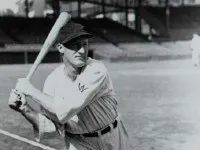




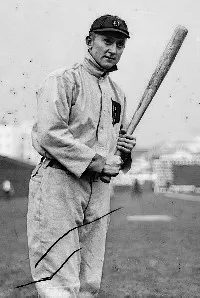
The 1918 season ended with tragedy, not triumph. George Ruth Sr. died after a bar fight, leaving Babe an orphan in the eyes of the law and the world. Without his father’s tavern to help manage, the off-season routine shifted. He wasn’t just a player anymore. He was a young man alone in a city that didn’t know him.
Helen was on the farm. Babe wasn’t. He spent his nights causing trouble and wondering what he was worth. He decided he was worth more than $7,000.
The Fight for a New Contract
Babe walked into owner Harry Frazee’s office and demanded $15,000. A two-year deal. Only Ty Cobb made more money in baseball at that moment. Frazee said no. The owner was drowning in debt from World War I-era attendance drops and the cost of keeping stars. To prove a point, he shipped Ernie Shore, Dutch Leonard, and Duffy Lewis to the New York Yankees.
Ruth threatened to quit. Frazee didn’t blink. He knew the holdout wouldn’t last.
By March, the pressure mounted. Spring training gate receipts were at risk. Frazee folded. The final deal was $10,000 over three years. Not what Ruth asked for. Not what he got. But it was baseball money.
First Glimpses of the Monster
Babe hit the south immediately. In Boston’s first exhibition game against the Giants, he launched a ball that vanished into the night. No one measured it accurately then. Legends say 600 feet. Others say it just kept going. It didn’t matter. It was a message.
He took Duffy Lewis’s vacant spot in left field. Opening Day against New York was a 10-0 drubbing. Babe homered. Rainouts delayed the schedule, but when play resumed, he doubled. Triples. Five runs scored in two wins over Washington. The era was beginning.
The Barrow Incident
Life off the field was chaotic. In Washington, the antics turned toward the absurd. Ed Barrow, the tough-minded team owner, needed to assert control. He enlisted a night porter. The porter tapped Barrow at 6 a.m. Babe had just come in.
Barrow stormed into Ruth’s room. The slugger was in bed, sheets pulled up, cigar lit, fully dressed.
“You’re a fine citizen, Babe,” Barrow shouted. “I must say, you’re a fine citizen.”
Ruth was embarrassed. Then he was furious. The next day at the ballpark, he challenged Barrow to a fight. The owner refused to back down. Babe ended up on the bench.
The price of playing was an apology and a nightly ritual. Every night, Ruth had to write Barrow a note. “Dear Eddie,” it started. He listed the exact time he arrived back at the hotel. The manager checked. The routine held.
Dominance on the Field
The bench stint didn’t break him. He came back. His batting average sat at .180 in April. Two home runs. He recovered. The power returned.
Barrow had promised Ruth wouldn’t pitch. He lied. Or maybe he forgot. By June 20, Ruth was in the box. He went 5-2 as a pitcher. Nobody cared about his win-loss record. They cared about the long ball.
The Red Sox had sold their stars. Carl Mays left midseason for $40,000. The team was a mess. Fans stopped looking for championships and started looking at the guy in left field.
Babe didn’t disappoint.
Mid-July, he tied his own record of 11 home runs. Then he broke Ned Williamson’s major-league mark of 27, set in 1884. A titanic shot over the Polo Grounds roof in late September sealed it.
A Season of Firsts
The final home run of the season came in Washington. It wasn’t just a number. It was a distinction. He was the first player to homer in every city in the league.
His stats were absurd.
- 29 home runs
- 114 RBIs
- 103 runs scored
- .657 slugging percentage
- .456 on-base percentage
- 9-5 record with a 2.97 ERA
He led the majors in almost everything that mattered. The Red Sox finished in sixth place. It didn’t matter. The fans loved having the greatest slugger in their backyard.
Nobody could see the end of this version of Babe Ruth. They could watch him in 1920. But the address would change. The Boston Red Sox wouldn’t be his team for much longer.