



The Apiaceae advantage
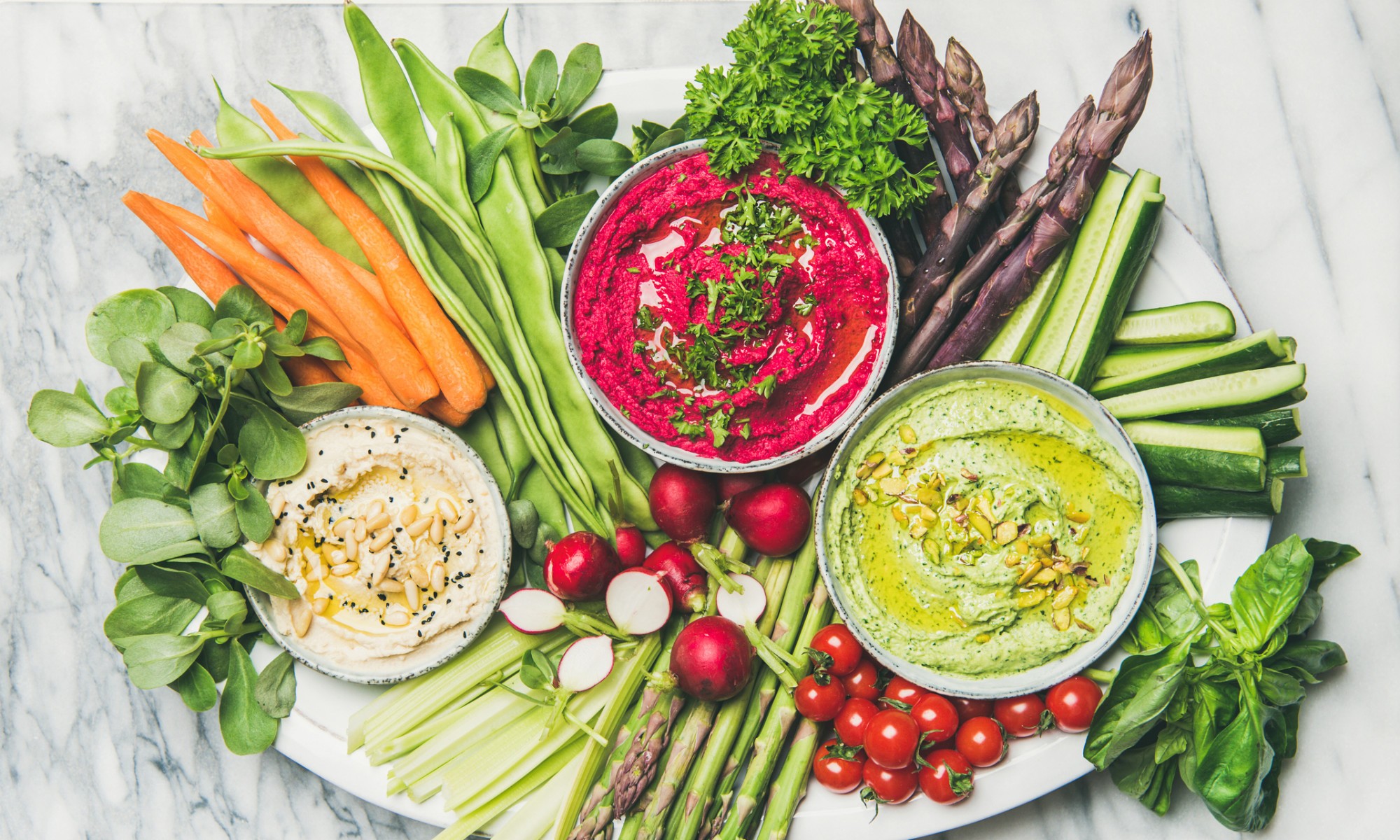
Celery. Parsnips. Carrots. Fennel.
These aren’t exactly the celebrities of the veggie aisle. They don’t get the press broccoli does. Or kale.
But a new study from the University of Arkansas suggests we’re ignoring a powerhouse group. Specifically, the Apiaceae family.
Researchers gave male mice a nasty surprise: the “Total Western Diet” (TWD). Think high fat. High sugar. Low fiber. Basically, how many of us actually eat. Then, to kick it while it was down, they induced gut inflammation with a chemical agent.
Some mice just ate the trash food. Ouch.
Others got help. The researchers supplemented that terrible diet with 21% or 42 Apiaceous vegetables. That 21% dose translates to roughly one cup of these veggies a day for humans. Manageable, right?
The results were stark.
Mice on the veggie-supplemented diet lost significantly less weight. Their colons shortened far less. Their overall disease activity scores dropped by nearly 60%.
Adding just celery or parsnip reduced disease activity scores by 59%, colon shortening by 58%, and weight loss by 44%.
The physical structure of their gut lining stayed intact. In the control group? The protective mucus layer was almost gone. It disappeared. The veggies kept it alive.
Even better, they restored occludin, the protein that acts like mortar between your gut cells. Inflammatory immune cells fled the scene—down by 80%. Chemical signals of inflammation (cytokines and chemokines) plummeted by up to 73%.
A bacterial boom
It’s not just about stopping the damage. It’s about what grows in the aftermath.
The Apiaceae boost shifted the microbiome. It favored the good guys.
Two bacterial groups thrived:
– Lachnospiracea e: These guys make butyrate, a fatty acid that feeds colon cells.
– Blautia : Linked to better barriers and less inflammation.
Meanwhile, the bad bacteria that flourish when your gut is inflamed got suppressed.
Why? It’s likely a one-two punch. These plants are loaded with bioactive compounds and fiber.
Celery brings the falcarinol and apigenin. These reduce inflammation and strengthen the gut lining directly. Bergapten and xanthotoxin also jump in to shut down inflammatory signaling.
Then there’s the fiber. Mainly pectin. It acts as prebiotic fuel. It slows down the Western-diet-induced decline of protective short-chain fatty acids.
The compounds and the fiber seem to work together. Synergy, if you want a clean word for it. Or maybe just cooperation.
Can you eat enough?
Let’s be real. This was mice.
Chemical-induced colitis isn’t the same as IBS or Crohn’s in humans. And we didn’t see a comparison against, say, broccoli. Human trials are next. Necessary.
But the dose isn’t scary. One cup. ~128 grams.
How do you get it?
– Dip celery in nut butter.
– Roast parsnips alongside carrots.
– Shave fennel into a salad.
– Scatter fresh parsley everywhere.
Does parsley count? Yes. It belongs to the same family.
We live on a Western diet. The damage is done. Or being done.
Maybe the answer isn’t another superfood smoothie. Maybe it’s just the carrots we keep forgetting to chop. The parsnip sitting in the bin.
The gut is resilient. It just needs the right tools.
And sometimes the tools are plain as celery.