


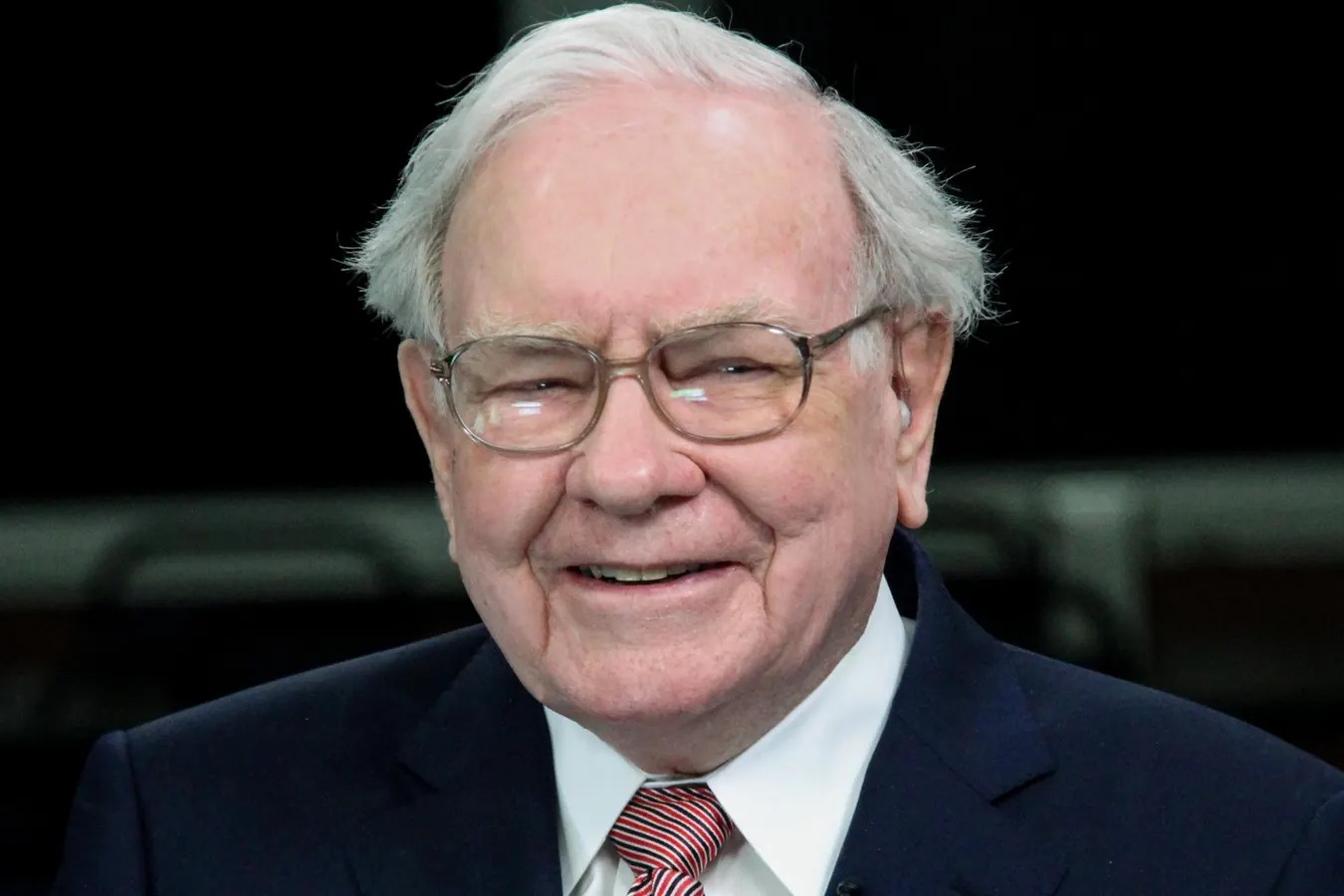
Warren Buffett has built his reputation on patience. Discipline. Intrinsic value. He’s spent decades proving that wealth comes from holding onto good businesses, not chasing them.
Biotechnology? That’s a different beast.
In a sector where a single FDA decision or clinical trial failure can wipe out billions overnight, Buffett’s principles face their toughest test. And around Berkshire Hathaway’s 2019 annual meeting, he got blunt about the current market mood. “We’ve never had people in a more gambling mindset than now,” he said. The stock market, he noted, used to be “like a church with a casino attached.” Today, the casino is the main event.
While he was speaking broadly, the warning hits hard for biotech stock investing. The sector is torn between transformative science and speculative trading. And for investors trying to figure out if biotech is an asset or a gamble, the line is getting blurrier.
The Buffett Filter: Why Biotech Doesn’t Fit
It’s not that Buffett dislikes science. It’s that he can’t model it.
Berkshire Hathaway avoided biotechnology for decades—not by accident, but by design. His circle of competence is narrow and intentional. He likes businesses where he can estimate cash flows decades into the future with some certainty.
- Consumer brands.
- Insurance.
- Railroads.
- Utilities.
Drug development doesn’t fit.
Why? A company can spend fifteen years and billions of dollars on a therapy, only to watch it fail in Phase III trials. Or an obscure platform tech might revolutionize medicine overnight. Success depends on regulatory luck, manufacturing execution, reimbursement shifts, competitor moves, and timing.
“I don’t know” is often the smartest investment answer.
Buffett acknowledges his limitation. He doesn’t wander outside his circle. And for good reason. Even specialists struggle to predict which variables will break a deal.
The One Big Exception
Berkshire did buy pharma stocks during the pandemic—AbbVie, Merck, Pfizer. But that wasn’t biotech speculation. Those are mature companies. They have revenue. They pay dividends. They look like consumer staples.
Development-stage biotech? Different animal.
Many have zero revenue. Their entire value hinges on one molecule. One FDA decision. One platform. If that fails, the stock goes to zero. If it succeeds, the stock might multiply tenfold.
That binary risk is why Buffett stays away. And why many investors treat biotech like a lottery ticket.
Biotech Stock Investing: Art or Gambling?
Buffett’s casino comment raises the question: Is biotech an investment or a gamble?
The answer? It can be both.
Long-term biotech investing looks like this:
– Evaluating scientific platforms.
– Understanding disease biology.
– Assessing trial design.
– Studying competitive landscapes.
– Estimating commercial potential.
Speculation looks like this:
– Chasing momentum.
– Buying weekly options ahead of an FDA advisory committee meeting.
– Reacting to headlines rather than data.
– Letting AI hype drive share prices before any clinical evidence exists.
The market currently rewards momentum over fundamentals. Retail traders pile into short-dated options. Social media amplifies excitement. Share prices swing on sentiment, not science.
That’s exactly the behavior Buffett warned against.
Why Biotech Is So Vulnerable to Bets
Several structural issues make this sector prone to wild swings.
1. Binary Information.
Industrial companies report gradual earnings growth. Biotech companies drop a press release and the valuation jumps or crashes 50%. There is no middle ground.
2. Uncertain Valuations.
Metrics like earnings, cash flow, or book value are useless for pre-revenue firms. How do you price a company that might not have a product for five years?
3. Complexity Asymmetry.
Most investors can’t evaluate immunology mechanisms, gene editing techniques, or statistical powering assumptions in trials. They read a headline. They buy. They hope.
4. Options Amplification.
Buffett specifically criticized one-day options as gambling. Biotech is one of the most active sectors for these short-dated bets. The volatility is built in. The risk is multiplied.
The Wealth Buffett Missed
Avoiding biotech protected Berkshire from failures. But it also made them miss some of the biggest winners in modern markets.
Companies like Amgen, Gilead Sciences, Vertex Pharmaceuticals, and Regeneron transformed scientific innovation into massive shareholder value. They didn’t emerge from bubbles. They came from genuine scientific breakthroughs.
- Monoclonal antibodies.
- CAR-T therapies.
- RNA medicines.
- Gene therapies.
- GLP-1 drugs.
- Complement inhibitors.
These categories changed medicine. They created hundreds of billions in market cap.
The problem? Identifying them early requires expertise far beyond traditional value investing. You can’t just read a 10-K. You need to understand the science. You need patience. And you need to be willing to hold through years of uncertainty.
Buffett didn’t have that patience for that sector. And he doesn’t apologize for it.
The Modern Biotech Landscape
Today is arguably more promising—and more confusing—than ever.
Artificial intelligence is accelerating drug discovery. Gene editing is moving closer to reality. Personalized oncology is advancing. But these technologies are far from commercial maturity for most players.
And then there’s the cost. Regenerative medicine, cellular therapies, synthetic biology. They open new frontiers. But who pays for them? Reimbursement remains a huge, unresolved question.
We are in an era of prediction markets. Meme investing. Options frenzy. Buffett’s message cuts through the noise.
Short-term gambling might pay off occasionally. But lasting wealth still comes from rigor. From analysis. From knowing when you don’t know.
Biotech offers incredible opportunities. It also offers incredible risks. The market is betting heavily on both right now.
The question isn’t whether the casino is open.
It’s whether you’re playing to learn, or playing to lose.


