


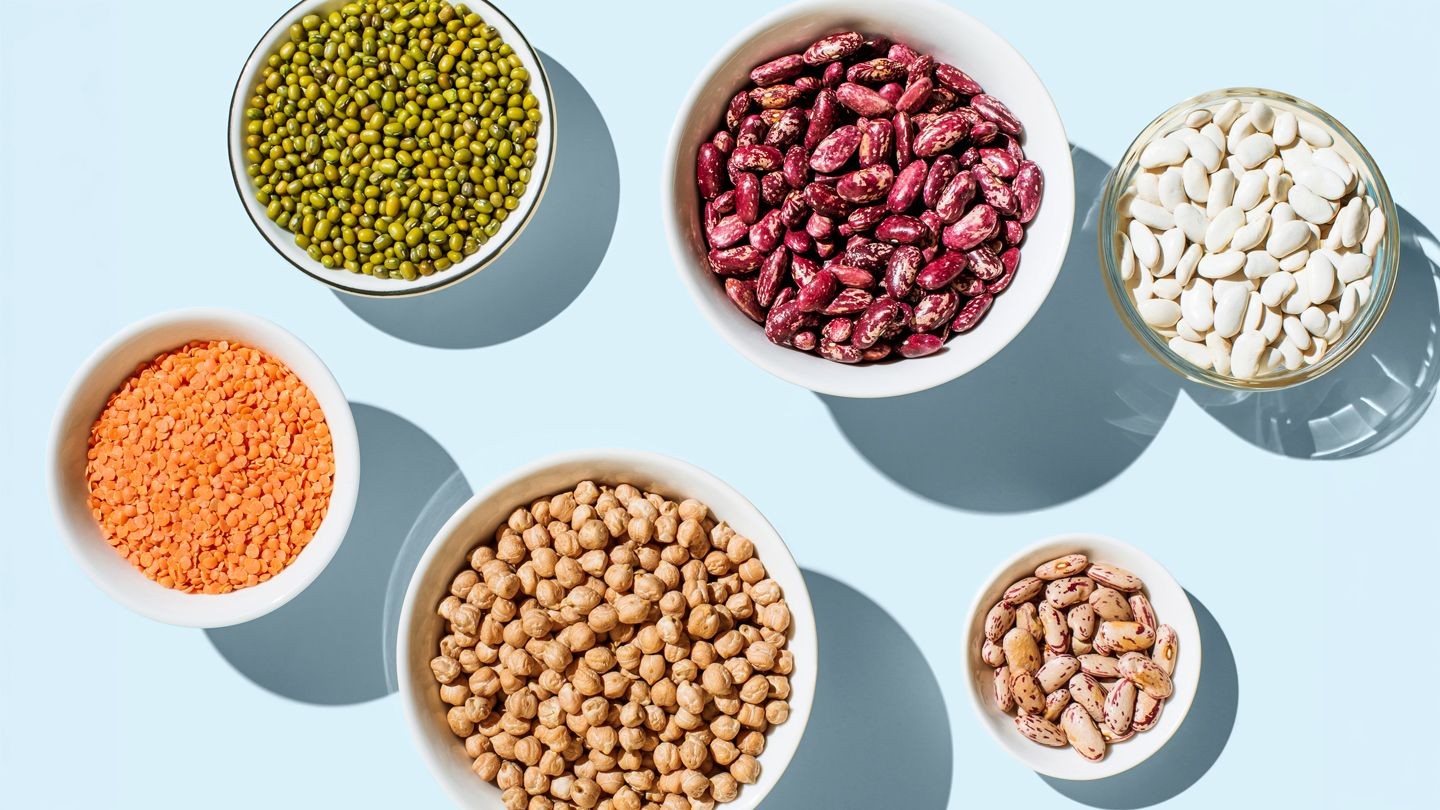
80 percent of us fail to eat half a cup a day. We should be eating way more.
It is one of those nutrient-dense foods that actually punches above its weight. You get fiber. Phytonutrients. Micronutrients. Michelle Routhenstein calls it getting “a lot of bang for your buck” and she isn’t wrong. Making beans a habit isn’t a grand gesture, just a small, inexpensive shift.
What you actually get
The numbers matter. Take a standard half-cup of black beans.
153 calories. 8.9 grams of protein. 26 grams of carbs.
There is 8.7 grams of fiber in there. Also 1.7 grams of fat, plus folate and a sprinkle of magnesium, zinc, and potassium. That mix—protein, fiber, vitamins, antioxidants—does a lot of heavy lifting.
“Beans can be a great heart-healthy into your diet,” Routhstein notes, highlighting the soluble fiber and minerals.
Older studies show that eating beans four times a week cuts heart disease risk by 22%. More recent reviews suggest daily intake of one cup or more can slash hypertension risk by 30%. Cholesterol drops too. Beans do as much good here as oats or nuts.
The sugar problem
Blood sugar control is where beans really shine. They fill you up. When you’re full, you don’t spike. Jennifer Rawlings, a nutrition coach in Charlotte, puts it bluntly.
“Blood sugars don’t spike as high.”
It comes down to digestion. Low glycemic index means slow absorption. Steady rise, not a sharp cliff. Regular consumption might lower the chance of type 2 diabetes by a third.
Gut bacteria eat this stuff
Your gut is full of bacteria. They need food. Beans are essentially fertilizer for the good kind. Specifically the resistant starch.
This stuff survives the small intestine. It reaches the large intestine intact. The bacteria there metabolize it into short-chain fatty acids, or SCFAs. Those SCFAs feed the colon cells. They regulate energy. They keep the gut barrier strong.
Inflammation drops too. The chronic, low-grade kind. That is the stuff underlying colorectal cancer and inflammatory bowel disease.
Weight and the myth of the gas
They keep us fuller, longer. We snack less. We crave less. Rawlings says it supports both weight maintenance and loss. A study of over 40,000 adults showed bean eaters weighed less and had smaller waists than those who skipped them. Another found that over ten years, higher legume intake meant less weight gain.
Is it safe?
Generally yes. Unless you’re singing “The Musical Fruit.” Gas is a common complaint, mostly because our systems aren’t used to the volume. Kristin Kirkpatrick of the Cleveland Clinic says the body gets used to it. Less gas. Less bloating. Time is the fix.
But there are caveats.
- Crohn’s disease or ulcerative colitus? Beans might cause distress during a flare.
- Advanced kidney disease or dialysis? The potassium and phosphorus are tricky. Check with a doc.
- Low-FODMAP diets? Proceed with caution. Consult your provider first.
For the rest of us, it’s a healthy daily choice.
How to make them tolerable
You don’t have to chew a bowl of mush. Get creative.
- Mash cooked lentils and swap half the ground beef in your next batch of burgers.
- Puree white beans into pancake batter or blondie mix. Black beans work for brownies.
- Roast chickpeas if you hate the texture, or make hummus.
- Simmer white beans (cannellini, navy, great northern) with vegetable broth for a creamy, dairy-free sauce.
- Blend chickpeas with tahini and cocoa for a dessert hummus that tastes suspiciously like peanut butter dip.
- Dump a spoonful of white bean paste into a smoothie. You won’t taste it. It just blends away.
Why not start tomorrow?