



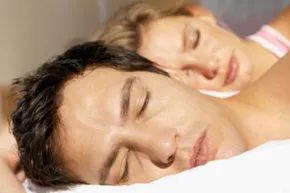
Sweat acts as your body’s built-in air conditioner. Perfect for when you’re on the go or at sunset. Not ideal when you should be resting. Waking up drenched is uncomfortable. This is also a concern.
Evaporation plays an important role here. The main components of sweat are water and salt. When the warm water leaves the skin, the heat leaves. A thin layer of cold water remains. Most people have between 2 and 4 million sweat glands. They focus on the armpits, face, palms and soles of the feet.
Everyone is different. Typically, the more glands you have, the more sweat you produce. Men sweat more than women. Women’s bodies better at regulating water.
There are two main types of glands. Apocrine glands respond to emotions. Imagine having sweaty palms on your first date. The function of the eccrine glands is cooling. The main reason for night sweats is the eccrine glands. Apocrine glands chip in occasionally.
The hypothalamus acts as an internal thermostat. Set the target temperature. When your body gets too hot, it sends a signal to the glands to turn on. Hot weather is also a trigger. Internal problems are another matter. Bacterial and viral infections can cause the brain to increase the body’s set point. May cause fever. Medications, menopause, and serious infections can also send these signals.
Knowing the symptoms can help. Knowing the reason can clarify the situation.
Environmental causes of night sweats
Nobody likes to wake up sweating. To solve the problem we need to examine the variables.
Let’s start with the obvious. Is the room too hot? Humidity is also important. Heavy blankets are a common culprit. The same goes for thick pajamas. An old mattress can cause discomfort throughout the body. A noisy environment awakens the mind. Although bed bugs are unpleasant, they can certainly occur.
Check your eating habits. Have you changed what you eat lately? Are you unusually tired?
Symptoms of influenza are usually fever. This is the body’s normal reaction to an infection. When you have a cold or flu, you may experience night sweats for one or two nights. This is normal. Besides that, something more serious can happen.
Hormonal changes and medical causes
Hot flashes are one of the most common causes of night sweats. They are related to menopause. Hormonal changes can disrupt your system. A sudden drop in estrogen confuses the hypothalamus. It thinks the body is overheating. The skin temperature can rise to 6 degrees almost immediately.
Men usually do not experience these specific hot flash symptoms. However, they are not immune to this problem.
Testosterone deficiency can cause similar effects. Men who take testosterone blockers are also at risk. Androgen suppressing drugs are common in the treatment of prostate cancer. These disrupt the hypothalamus in 70-80% of treated men.
Most men don’t want to admit that they have hot flashes. However, a lack of androgens can cause night sweats. This is a documented side effect.
Normally, the body produces about 500-700 ml of sweat per day. 16 oz to 24 oz. If you sweat a lot while you sleep, you could lose twice that amount.
Why does this happen to some people and not others? The line between a stuffy room and a medical signal is thin. You have to know where to draw it.
Prostate cancer drugs aren’t the only thing that can cause damp sheets. Many other drugs increase the heart rate, dilate blood vessels in the skin and cause profuse sweating.
The most common reason is antipyretics. Aspirin or acetaminophen can be taken to treat the flu. These have an antipyretic effect. They also trigger night sweats. Antidepressants are also common culprits.
Infections also play a role. tuberculosis. HIV. AIDS. A persistent fever often accompanies these conditions. Night sweats are very common. Hodgkin’s disease is a type of lymphoma that causes low-grade fever and sweating.
Alcohol and food triggers
Alcohol is often suspected. Some people fall asleep after drinking a glass of wine. They can’t rest on this. Research shows that alcohol disrupts restful sleep. Headaches and night sweats are more likely to occur. Alcohol addiction and withdrawal symptoms are also big reasons.
Spicy foods are also a factor. Discomfort does not always appear immediately. Digestion takes several hours. During this process, Chilies and cayenne pepper raise the temperature of the skin. Caffeine can make sweating worse in people who sweat excessively.
Hyperhidrosis and hot flashes
Some people suffer from excessive sweating. This condition causes frequent and excessive sweating. It happens day and night. Only 2-3% of Americans have it. The incidence is higher in Asians. It causes significant discomfort and embarrassment.
If other causes have been ruled out, you might have hyperhidrosis. Make an appointment with your doctor to discuss this.
If you are a woman, you are not alone. An estimated 85% of women experience hot flashes as they approach menopause.
Natural solutions for night sweats
Night sweats can be treated with prescription medications. You should also consider natural solutions.
Start with the thermostat. Doctors recommend temperatures between 65 degrees Fahrenheit and 72 degrees Fahrenheit. Everyone is different. Try to find your comfort zone. Most people need to lower the temperature. A small drop in body temperature can induce sleep.
If your partner prefers different temperatures, use lighter bedding. This enables individual adjustments.
Stress and anxiety are important. Being nervous can cause excessive sweating. day and night. You can expect to sweat a lot during a marriage or job interview. If night sweats continue for weeks after the activity, get it checked out.
Black cohosh can be used by men with symptoms of andropause. This plant is native to North America and was used in Native American medicine. Black cohosh tea and supplements are common.
Red clover is also an option. Relieves hot flashes and night sweats. The results are inconclusive. Its use is controversial due to a lack of hard data. Available in health food stores.
Sage tea has a calming effect. Helps reduce stress. Motherwort is an herb of the mint family that helps the nervous system and circulatory system. These factors directly affect night sweats.
What treatments are available? Read more.
Antiperspirants are the default shield for most people trying to stay dry. They work by physically blocking the sweat glands. Aluminum ions enter the skin cells and cause these glands to contract or close. This prevents sweat from reaching the surface. This is a mechanical block, not a production cut.
It cannot be applied to the whole body. If the sweating becomes uncontrollable, your doctor may prescribe stronger medications. Drysol is commonly prescribed to treat excessive sweating. Contains a much higher concentration of than store-bought options. It can be applied directly to problem areas: armpits, feet, palms.
There is a catch. Aluminum chloride can cause severe skin irritation. Many patients stop the treatment because the burning sensation outweighs the dryness. This is a trade-off for everyone.
Some doctors turn to Robinul (glycopyrrolate). This medicine prevents the secretion of various fluids throughout the body. It’s systemic. It works internally, not locally.
Botox offers an alternative. In 2004, the FDA approved botulinum toxin injections for the treatment of underarm hyperhidrosis. It blocks the chemical messengers that signal sweat production. The effect is temporary. The duration of the injection is about 6 months. Sometimes it is also used on the hands.
Surgery is a last resort. The surgeon makes an incision in the problem area. Most people with night sweats do not need this. This can happen in extreme illnesses, but usually doesn’t happen in casual sweating. Small changes to your sleep environment can often resolve the problem without medical intervention.
Why do night sweats happen?
In women, menopausal hot flashes are the main cause. This condition can also occur in men who have low testosterone levels or who use blockers. The reason is hormones.
Check the environment first. Is the room too hot? Is it humid? Comfort is important. Then look at your health. Diet, fatigue and flu symptoms can all play a role. Check your medications. Many prescription drugs increase the heart rate and dilate blood vessels in the skin. This dilation can cause abnormal sweating.
Cancer is a reason to fear, but it is not the only thing. For some people, night sweats are an early sign of leukemia, lymphoma, liver cancer, bone cancer, or carcinoid tumors. The mechanism is unknown. If the cause is cancer, sweating is often accompanied by other symptoms.
How to stop night sweats naturally
Try loose, light pajamas. Or sleep naked. Keep the thermostat a few degrees lower. Being anxious has a big effect on sweating. Create a soothing night routine. Turn off screens an hour before bed. Exercise during the day to relieve stress.
Herbal teas can help. Sage and motherwort are said to calm the nerves and help the circulatory system. This directly affects sweating. It’s not a panacea, but it’s a low-risk venture.
In severe cases, Drysol is still the first choice. Botox injections are effective, but must be repeated every 6-12 months. Which one you choose depends on the severity and tolerability of the side effects.