




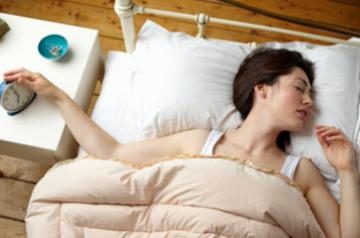
It feels like a given that we know how to sleep. We do it every night. Most of us treat it as a passive event. But falling asleep effectively is a skill. And for most people, that skill is rusty.
Take Henry. He is his own worst enemy. He races through his workday. He does not stop when the clock hits five. He tries to cram every errand, every chore, and every want into the remaining hours of the day. He pushes until his body screams for rest. By late evening, fatigue hits him for the first time since dawn.
Here is where he fails.
Henry thinks the routine is the cure. He brushes his teeth. He pulls back the covers. He closes his eyes. He expects a magic spell. He expects sleep to just happen.
It rarely does.
Henry’s mind and body are still moving at 80 miles per hour. He has slammed on the brakes without slowing down first. The intention is there. The preparation is not.
Sound sleep requires preparation. Without it, you are merely collapsing into bed, not resting.
The answer is yes. You must prepare. It sounds simple. It is not. More than half the population in the United States complains of sleep problems. This lack of success often stems from ignoring the hours before bedtime.
To fix this, you need to look at four specific areas. You have to control these variables if you want to maximize your sleep time:
- Begin preparations during the day
- Schedule sleep patterns deliberately
- Practice relaxation habits
- Control your environment
Prepare for Sleep All Day
Your sleep quality starts at sunrise. Every choice you make from the moment you wake up ripples into the night.
Wise choices lead to sound sleep. They lead to renewed energy. Poor choices lead to tossing and turning.
One of the biggest levers you can pull is exercise. When you move your body, you change your physiology. You burn off the stress hormones that keep you wired. The timing of that workout matters. If you exercise too close to bedtime, you might stay awake longer. If you do it earlier, you set the stage for deeper rest.
This is not medical advice. This is not a diagnosis. It is information. If you have health concerns, talk to a doctor before changing your routine. But for most people, starting the sleep process in the morning is the most overlooked step.
Why wait until the last minute to fix a problem that started twelve hours ago?
Timing is everything for better sleep
Most people cite exhaustion as the barrier to regular movement. It’s a logical trap. You are tired, so you don’t move. You don’t move, so you remain tired. The cycle is self-perpetuating.
The desire to exercise is universal. The execution is not. We know exercise improves heart health. It lowers blood pressure. It builds bone density. It reduces muscle tension and lifts mood. There is a new benefit almost daily.
Add sound sleep to that list.
Exercise helps you sleep deeper. It extends sleep duration. It makes you more alert during the day. The catch? Timing and intensity matter significantly.
When should you work out for optimal rest?
Morning?
Afternoon?
Evening?
Right before bed?
Exercising vigorously within three hours of bedtime often backfires. It seems counterintuitive. A tough workout should make you tired. In reality, it stimulates the heart, brain, and muscles. It raises core body temperature. Both are the opposite of what you need to initiate sleep.
Morning exercise helps. It relieves stress. It improves mood. These factors indirectly aid sleep. The effect is stronger if you get outdoor light. Morning light reinforces your circadian rhythm. It signals wakefulness. This makes night-time sleep easier later.
For a direct sleep effect, late afternoon or early evening is superior.
Vigorous exercise in this window raises body temperature. The body then cools down a few hours later. This drop in temperature signals the brain to prepare for sleep. It is a natural trigger for drowsiness.
What counts as vigorous?
Cardiovascular activity. You need to keep your heart rate up. Your muscles must pump continuously. Twenty minutes is the minimum. Strength training helps. Stretching helps. Yoga helps. None match the sleep-promoting power of sustained cardio.
Schedule this three or four times a week. Twenty minutes is enough. Choose activities you enjoy. Walk to work. Walk the dog. Jog. Swim. Bike. Ski. Jump rope. Dance. Play tennis. Just make it routine.
If you have serious medical conditions, are significantly overweight, or haven’t moved in years, consult a doctor first. Start slowly. Increase intensity gradually. Avoid injury. Regular exercise improves how you feel. It improves how you look. It improves how you sleep.
The relationship between sunlight and the sleep-wake cycle is equally complex.
How Morning Light Resets Your Internal Clock
It feels backwards, doesn’t it? Getting sun early in the day helps you sleep at night. But it’s true. These two states are locked together in your sleep-wake cycle.
Light signals your brain to wake up. You’ve felt this if you’ve ever turned on a bright light in the middle of the night and couldn’t fall back asleep. What’s less obvious is that light exposure at other times—specifically early morning—actively helps you sleep later.
The Problem With Forward Drift
Morning light helps regulate your biological clock. It keeps that internal timer on track. Your internal clock sits in the brain. It measures time similarly to a wristwatch. There is a catch, though.
Your brain has a built-in forward drift. If you stay up late and wake up late, you push that drift further out. You force your body into a later rhythm. This makes falling asleep and waking up at your desired times much harder.
To stop this drift, you must reset your clock daily. You need it to match the earth’s 24-hour rhythm. You also need it to match your schedule. Morning light exposure does exactly that.
The Cost of Dim Light
Research shows that people deprived of light for long periods see dramatic changes in sleep, temperature, and hormone cycles. Their clocks stop resetting. You likely won’t be light-deprived for months. But getting less morning light than you need can still disrupt your ability to fall asleep and wake up when you want to.
Many factors affect your biological clock. Light is the most important one.
Timing matters. Your body clock is most responsive to sunlight in the early morning window. Between 6:00 and 8:30 a.m. is the sweet spot. Exposure later in the day does not provide the same benefit. The type of light matters too. So does the length of exposure.
Direct outdoor sunlight for at least 30 minutes produces the most benefit. Indoor lighting in a typical home or office has little to no effect.
Light Boxes vs. Real Sunlight
You can buy specially designed light boxes and visors. They simulate sunlight. Doctors often prescribe them for seasonal affective disorder (SAD). This is a form of depression that hits during darker winter months.
Still, a half-hour in front of a powerful light box is not as effective as a half-hour outside. Even on an overcast day, being outdoors wins.
You can’t control when the sun shines. But you can control your stress levels. Find out on the next page how stress affects sleep.
This information is solely for informational purposes. IT IS NOT INTENDED TO PROVIDE MEDICAL ADVICE. Neither the Editors of Consumer Guide (R), Publications International, Ltd., the author nor publisher take responsibility for any possible consequences from any treatment, procedure, exercise, dietary modification, action or application of medication which results from reading or following the information contained in this information. The publication of this information does not constitute the practice of medicine, and this information does not replace the advice of your physician or other health care provider. Before undertaking any course of treatment, the reader must seek the advice of their physician or other health care provider.
You know the feeling. You are exhausted. Your body is begging for rest. But your mind? It is still running laps around the day’s problems.
There is a common myth that you can get used to stress. It sounds logical. If something bad happens once, it hurts. If it happens every day, maybe you stop noticing. Consider the factory smoke analogy. Move into a new neighborhood. The air smells like burning rubber. First week: you are angry. You complain. You check the air quality index.
After a month? You stop noticing. You walk past the factory without flinching.
This is conditioning. And it is dangerous when applied to stress.
You become numb to the pressure. The tightness in your shoulders becomes normal. The quickened heartbeat before a meeting becomes standard operating procedure. You only realize how sick you are when you collapse. Or when you finally try to sleep and can’t.
The Control Illusion
Here is the hard truth: you cannot avoid stress. If you breathe, you encounter friction. Life is inherently stressful. The goal is not elimination. The goal is management.
Most people try to control the external world. They blame their boss. They curse the traffic. They resent the family obligations.
This is a waste of energy.
Focus on what you actually control. Your response.
If your boss sets an impossible deadline, you cannot change the calendar. You can change how you react. You can choose to breathe. You can choose to prioritize. You can choose to step away for five minutes.
“Your body is the best guide to determining when you are feeling stressed.”
Therapists who specialize in stress reduction agree. The body keeps the score. It tells you before your mind admits defeat. Pay attention to the physical signals. The jaw clenching. The shallow breathing. The irritability.
Catch it early. Intervene before it ruins your night.
The Nighttime Reckoning
Why does daytime stress destroy nighttime sleep?
Because the brain does not just turn off.
Think about the last time you tried to sleep after a terrible day. You crawl into bed. You are tired. You want to forget the day. But instead, your brain starts replaying every awkward comment. Every missed deadline. Every slight.
These are the emotions and thoughts you did not process when they happened. They wait in the shadows. They surface in the quiet.
When you dwell on these stressors, your body reacts. It perceives a threat. It does not know the difference between a tiger in the bushes and a text message from your ex.
The brain sends a signal. Adrenaline floods your system. Cortisol spikes. Your heart rate increases.
This is the fight-or-flight response. It is brilliant for survival. It helps you dodge a speeding car. It helps you run from danger.
But it is terrible for sleep.
Sleep requires relaxation. It requires the nervous system to downshift. If you are in fight-or-flight mode, your body thinks it needs to stay alert. You toss. You turn. You stare at the ceiling.
The more you dwell, the stronger the reaction. It becomes a feedback loop. Stress wakes you up. Being awake makes you more stressed about not sleeping.
Breaking the Cycle
The solution is not complicated. It is just hard.
Deal with the stressors during the day. Process the anger. Solve the problem. Or let it go. Do not carry the baggage into your bedroom.
By managing stress in real-time, you reduce the fuel for the nighttime fire. You give your body permission to relax.
This is about reclaiming control. Not of the world around you. But of your own internal state.
And while you are at it, take note of your napping habits. They play a role in this equation too. But that is a conversation for another time.
This information is solely for informational purposes. IT IS NOT INTENDED TO PROVIDE MEDICAL ADVICE. Neither the Editors of Consumer Guide (R), Publications International, Ltd., the author nor publisher take responsibility for any possible consequences from any treatment, procedure, exercise, dietary modification, action or application of medication which results from reading or following the information contained in this information. The publication of this information does not constitute the practice of medicine, and this information does not replace the advice of your physician or other health care provider. Before undertaking any course of treatment, the reader must seek the advice of their physician or other health care provider.
Mastering the Power Nap Timing and Duration
Naps are a double-edged sword. They can reboot your system or wreck your night. The difference lies in timing.
Most people feel the strongest urge to sleep about eight hours after waking up. This is the first of two daily dips in body temperature. The bigger drop happens at night. But that afternoon dip is real.
A short nap between early and mid-afternoon boosts energy. It sharpens alertness. You wake up ready to tackle the rest of the day.
Late afternoon naps are risky. So are evening naps. They push your sleep cycle out of alignment. You might find yourself staring at the ceiling when you finally hit the pillow.
To get the benefit without the grogginess, there are rules. Keep it under thirty minutes. Finish by mid-afternoon.
Why thirty minutes? Anything longer pushes you into deep sleep. Waking up from that stage feels terrible. You feel heavy. Disoriented. It takes time to shake it off.
Handling Severe Sleep Deprivation
If you are running on empty, the rules change.
When you are severely sleep deprived, a twenty-minute nap might not cut it. You need rest. In this case, take a longer nap. Aim for ninety minutes.
That is the average length of one complete sleep cycle. If you let yourself finish a full cycle, you will wake up feeling refreshed. You avoid the sleep inertia that comes from being woken mid-cycle.
Consistency matters too. If you need a daily nap, pick the same time every day. Your body loves rhythm. It will start to anticipate the rest. It helps regulate your internal clock.
What if you lie down and can’t sleep?
Don’t stress. Just close your eyes. Rest.
Even without falling asleep, this downtime helps. It restores some alertness. It gives your nervous system a break from the constant stimulation of the day.
Strategic Napping for Anticipated Deficits
You can also use naps to pre-game a bad night’s sleep.
Say you have plans late tonight. You know you won’t get enough shut-eye.
Take a prolonged nap earlier in the day. Two to three hours helps.
It reduces fatigue at your normal bedtime. It keeps your alertness higher than it would be otherwise.
There is a catch. It may throw off your normal sleep rhythm temporarily. Your body might get confused about when to sleep. But for one off-night? It’s a worthy trade.
The Food-Sleep Connection
Eating habits play a role in this cycle too.
What you eat affects how easily you fall asleep. A healthy eating pattern can lull you into deep, restorative sleep.
We will look at how diet impacts your slumber next.
This content is for informational purposes only. It is not medical advice. Always consult a healthcare provider for personal health concerns.
Shifting Your Meal Timing for Better Rest
The direct link between what you eat and how you sleep is messy. Scientists haven’t pinned down every mechanism yet. But the baseline is clear. Eating well supports your body. It fights off heart disease. It helps manage weight. And since chronic illnesses and their medications wreck sleep, keeping your health in check is a form of sleep hygiene.
But timing matters more than most people think.
Most Americans follow the “dinner is the main event” model. Light breakfast. Decent lunch. Heavy dinner. This is a mistake for sleep.
Eating a massive meal right before bed causes two problems. First, physical discomfort. Your stomach distends. You feel bloated. Second, acid reflux. Gravity isn’t your friend when you lie down flat with a full belly. Heartburn keeps you awake or pulls you out of deep sleep.
Try flipping the script.
The Reverse Meal Plan
Start big in the morning. You’ve been fasting all night. Your body needs fuel. Make breakfast your largest meal. Whole-grain toast. Yogurt. Fruit. Something substantial.
Lunch should be moderate. Brown rice. Whole-grain pasta. A solid protein source. Fish. Chicken. Beans. Keep it steady. Save energy for the evening, not digestion.
Dinner needs to be light. Eat early. Finish at least two hours before sleep. Ideally longer. If you’re hungry later, look for specific late-night snack ideas that won’t trigger reflux.
This approach to diet and sleep improvement reduces the metabolic load on your body during rest hours.
Caffeine and Chemical Triggers
Caffeine is the obvious enemy. It’s a stimulant. We drink it to wake up. But it stays in your system longer than you think.
If you have trouble sleeping, cut it off in the late afternoon. And stop looking just at coffee.
- Sodas
- Teas
- Chocolate
- Headache medications
Check labels. You might be surprised by hidden sources.
Then there’s MSG. Monosodium glutamate. Some people are highly sensitive to it. It causes digestive upset. Headaches. Other reactions that disrupt rest. It’s common in processed foods and certain Asian cuisines. Try eliminating it for a week. See if your sleep deepens.
Fluid Timing
Water is essential. Aim for eight glasses a day. Two quarts.
But don’t chug them all at night.
A full bladder interrupts sleep cycles. You wake up. You pee. You try to fall back asleep. It’s inefficient.
Drink most of your fluids by the end of dinner. Stop heavy intake an hour or two before bed. Hydrate during the day when you’re active. Let your body process the water while you’re awake.
The Alcohol Myth
Alcohol makes you feel drowsy. It knocks you out.
But it doesn’t keep you asleep.
Alcohol fragments sleep. It reduces REM cycles. You might wake up feeling unrefreshed, even after eight hours in bed. It’s a sleep disruptor, not a helper. Skip it.
Daily Rhythm
Food isn’t the only factor. Your entire daily routine shapes your night. How you move, how you light your environment, how you manage stress.
The next section covers the broader routine.
Sleep doesn’t happen by accident. It happens because you engineered it to happen.
Most people treat sleep like an afterthought. A thing you fit in when the day is done. This is why you feel groggy. You treat your wake-up time like a suggestion, not a rule. But your body craves structure. It wants a regimented routine.
It feels unnatural to schedule sleep like a business meeting. But that’s exactly what you need to do.
Establish a Bedtime Ritual
You have a morning routine. You know this. You brush your teeth. You shower. You check your phone. You signal to your brain that the day is starting.
So why not do the same for sleep?
A bedtime ritual isn’t just a nice idea. It’s a biological signal. It tells your nervous system to shut down.
Look at what you already do. Lowering the thermostat. Setting the alarm. Flossing. These are all anchors. Do them in the exact same order, every night. Same time. Same actions.
This consistency is non-negotiable.
Avoid high-stimulation activities thirty minutes before bed. Do not start assembling new furniture. Do not pay bills. Do not argue with your partner. These tasks spike cortisol. They keep your brain in alert mode.
Finish those things earlier.
The goal is closure. You need to finish the day so you can enter the night with a quiet mind. If your brain is racing about tomorrow’s to-do list, you won’t sleep. You’ll just lie there, awake and frustrated.
Stay Regular
Adults often think strict schedules are for kids. They think flexibility is a sign of maturity.
It isn’t. It’s a sign of chaos.
Your internal circadian rhythm needs regularity. It needs to know when to release melatonin and when to release cortisol. If you go to bed at 11 PM on weekdays and 2 AM on weekends, you are confusing your body. You are living in a state of perpetual jet lag.
Set a wake-up time. Stick to it. Even on Saturdays. Even on Sundays.
It sounds rigid. It is. And it works.
Within weeks of keeping a fixed sleep-wake schedule, you will notice a shift. You won’t just sleep better. You’ll be more alert during the day. The quality of your rest improves because your body anticipates the downtime. It prepares for it.
Try this for six weeks. Don’t skip it. Don’t negotiate with yourself.
Most people quit before they see the results. But the difference in energy levels is stark. You stop fighting your biology. You start working with it.
This ritual is only one piece of the puzzle. There are other methods. Other adjustments. We will get to them next.
This content is for informational purposes only. It is not medical advice. Always consult a physician before changing your health routines.
The hour before bedtime is the most critical for good sleep. When used properly, the time right before bed can help you let go of the stressful, anxiety-provoking events of the day and promote a restful night’s sleep. But if that last hour before slumber is not used properly, it can set the stage for a long night of tossing and turning. Try some of the following ideas to see which work best for you.
Create a Serene Environment
The key to preparing for sleep is to establish an atmosphere of peace and calm. Ease your mind and body with quiet yet pleasurable activities. You will create a sense of inner well-being that allows sleep to come quickly and easily. Most people find one of the following works well for them. Experiment with several if you’re not sure.
Read to relax. But choose your reading material with care. The idea is to read something light that won’t stimulate your mind. In other words, you probably don’t want to crack that new software manual. Better choices would be a popular magazine, a short story or perhaps devotional reading.
Listen to music. Choose music that relaxes you. In general, soft instrumental music has the most calming effect. Hard driving rock and pop beats often pull you into the music, causing you to be more awake, especially if the tunes are familiar. Another sound alternative might be playing a tape or CD of nature sounds.
Try meditation or prayer. These activities, which help many people relax, can also help you be at peace with whatever is on your mind.
Watch television, but only if it helps you relax. Watching television is fine to prepare for sleep if you use some discipline. Falling asleep with the TV on is not the best way to start your sleep. In most cases, you have to awaken to turn it off, which forces you to have to fall asleep again. The idea is to stay asleep once you doze off. A better use of television is to watch it earlier in the evening and practice other relaxation techniques right before bed. If you must watch right before bed, don’t watch in your bedroom.
Timing Your Bath
One popular way to relax the body and slow down the mind is a warm bath, and you may find it fits the bill for you. But you may want to do some experimenting with your timing.
Some people find a nice hot bath just before bed makes them drowsy and ready to drop into sleep. If you do, enjoy. On the other hand, some people find that a hot bath is actually stimulating or that it makes them too uncomfortably warm when they slip into bed.
If you find a just-before-bed bath makes it harder for you to fall asleep, consider taking the bath earlier, a couple of hours before bed. An earlier bath may enhance the gradual drop in body temperature that normally occurs at night and help trigger drowsiness.
Let Go of Anger
You’ve just gotten off the phone with a relative who infuriates you every time you talk with him. First he calls you collect, then he launches into all the things he sees wrong with the way you’re living your life. Flying into your bedroom like a whirlwind, you try to get ready for bed. You’re glowing with anger. You lie down on the bed and repeatedly slam your fist into your pillow as you try to find a comfortable position.
But you can’t fall asleep…you’re on fire.
Too often people go to bed when their mind is a raging fury, agonizing over some event of the day. Don’t make this mistake. You don’t want your bed to be a place for anger or worry. Your bedroom should produce a feeling of peace and contentment.
When your emotions have boiled over, stay out of the bed and the bedroom until you cool down. Try journaling or writing your frustrations down on paper to help unburden your mind. Or try one of the relaxation techniques — described on the page Techniques to Promote Sleep — to unwind your tangled emotions. Once you’ve calmed down, then you can retreat to bed.
The best way to make your bedroom a peaceful retreat is by preparing your room (as well as yourself). Find out how on the next page.
This information is solely for informational purposes. IT IS NOT INTENDED TO PROVIDE MEDICAL ADVICE. Neither the Editors of Consumer Guide (R), Publications International, Ltd., the author nor publisher take responsibility for any possible consequences from any treatment, procedure, exercise, dietary modification, action or application of medication which results from reading or following the information contained in this information. The publication of this information does not constitute the practice of medicine, and this information does not replace the advice of your physician or other health care provider. Before undertaking any course of treatment, the reader must seek the advice of their physician or other health care provider.
Conditioning Your Brain for Sleep
Your bedroom should be a sanctuary for one thing only. Sleep.
Most people treat their bed like a multi-purpose lounge. They watch TV. Eat dinner. Scroll phones. Even work. If you want to actually rest, stop doing these things in bed.
When you use your bed for anything other than rest, you confuse your brain. The sheets become linked to stress or entertainment, not drowsiness. You need to train your mind to get sleepy the moment you lie down. Not alert. Not engaged in a debate. Just ready for sleep.
The Trap of Background Noise
Do you fall asleep with the radio on? Or a TV timer set for thirty minutes?
Break the habit.
It sounds harmless, but you might be fighting off sleep just to hear the end of a song or a monologue. Worse, you condition your brain to require that noise to shut down.
Wake up in the middle of the night? The silence feels deafening. You have to get up. You have to turn the device back on. Neither action helps you stay asleep. You end up more awake than when you started.
Work Belongs Elsewhere
Some people bring their laptops to bed. They answer emails. They organize papers.
This is a bad idea.
It associates your resting place with work stress. Your heart rate goes up. Your muscles tighten. Thoughts race. The smell of your pillow starts reminding you of deadlines. It is hard to drift off when your brain is still in “office mode.”
Keep your workspace separate. Leave the work at work.
The Sex Exception
There is one exception. Sex.
For some couples, it is relaxing. It is tiring. It helps them fall asleep faster. If that is you, go for it.
But it is not universal.
Some people get energized. Alert. Wired. For others, sex brings up relationship frustrations or negative feelings. It is not calming. It is stressful.
If sex leaves you feeling energized or upset, leave it for another time. Or another room. Talk to your partner. Figure out what helps you both sleep better.
What If You Still Can’t Sleep?
If you are lying there, awake and frustrated, the next step is about getting out of bed.
This information is for general knowledge. It is not medical advice. Do not use it as a substitute for a doctor. Consult a healthcare provider before making changes to your health routine.
Stop Trying to Force Sleep
Lying in bed, staring at the ceiling, is exhausting. The frustration builds. You tell yourself, “I have to sleep.”
It doesn’t work.
Forcing sleep is the fastest way to stay awake. It’s not like running a race or closing a deal. Pushing harder here just spikes anxiety. It tightens your muscles. It keeps your brain hyper-aware of the fact that you are not resting. Sleep requires the opposite. It needs total relaxation. It needs an empty mind.
The Bed Is for Sleeping, Not Worrying
Most people think they should stay in bed until they drop off. This is wrong.
If you lie there awake for long periods, your brain starts to link your bed with frustration. You walk in, and suddenly you’re worried about how long it will take to drift off. The association sticks. The bed becomes a place of stress.
Get up.
Leave the bedroom. Go to the kitchen. Drink some water. Sit in another room. Read something boring. Draw. Sew. Do anything that is calming but doesn’t demand intense focus.
You need to break the cycle. You need to let your body associate wakefulness with a different space.
Wait for the Tiredness to Return
How long do you stay up? Usually, 15 to 20 minutes is enough.
You wait until you feel the heavy pull of tiredness again. The boredom helps too. Once that physical need returns, you can go back to bed. The goal is to keep the bed linked only with sleep.
Avoiding the Trap
This isn’t just a band-aid. It’s a retraining process.
If you can’t fall asleep, the best immediate solution is to leave the bed. Do not stay and fight it. Create a separate space for restlessness. Let boredom do the heavy lifting. When you return, the sleep pressure should be higher.
This method prevents the long-term damage of associating your bedroom with anxiety. It stops the cycle before it starts.
“Sleep is most easily achieved in an atmosphere of total relaxation.”
A Necessary Warning
This information is for educational purposes only. It is not medical advice. Neither the editors, authors, nor publishers accept responsibility for any consequences from following this guidance. This does not replace the advice of a physician or healthcare provider. Always consult a professional before starting any new health regimen.
Sleep doesn’t always come easily. Sometimes you’re lying there, wide awake, while your stomach growls or your mind races. The fix isn’t always medical. Often, it’s behavioral. It involves small, deliberate actions that signal to your body that rest time has begun.
What to Eat Before Bed
Hunger is a potent wake-up agent. If you’re starving, you won’t sleep. But eating a heavy meal is just as likely to keep you awake. The goal is a light snack. Research suggests that a small amount of food can promote sounder sleep, provided it doesn’t trigger indigestion.
What should that snack be? Experts debate the specifics, but the science points to a few key ingredients.
Tryptophan and Carbohydrates
One common theory involves tryptophan. This amino acid is a precursor to serotonin, a neurotransmitter that promotes calmness. Warm milk is the classic remedy here, largely due to its tryptophan content. However, tryptophan isn’t exclusive to dairy. Turkey, tuna, peanuts, and cheese also contain it.
Some researchers argue that tryptophan alone isn’t enough. They suggest pairing it with carbohydrates. Foods like bread, potatoes, cereal, or juice may help usher tryptophan into the brain more effectively. The combination, they contend, boosts serotonin production.
Magnesium and Calcium
Other sleep scientists focus on minerals. Magnesium and calcium have a calming effect on the nervous system. Even a slight deficiency in either can disrupt sleep patterns.
Dairy products are a primary source of calcium. For magnesium, look to fruits like apples, apricots, avocados, bananas, and peaches. Nuts and whole-grain breads are also solid options.
Experimenting with these groups might help you find what works. There’s no guarantee. But for many, the right bite makes the difference between tossing and turning.
What to Avoid
Equally important is what you don’t eat. Avoid foods that cause heartburn, gas, or indigestion. Greasy, fatty, and spicy foods are common culprits. If you’re lactose intolerant, warm milk will backfire. Use a lactose-free alternative or skip it entirely. If MSG triggers issues for you, avoid those takeout leftovers too.
Active Relaxation Techniques
Passive relaxation—just lying there hoping to drift off—often fails. Active techniques require effort. They help you deliberately clear intrusive thoughts and release physical tension. Two proven methods are Progressive Muscle Relaxation (PMR) and Abdominal Breathing.
Progressive Muscle Relaxation (PMR)
PMR works on a simple biological principle: when you tense a muscle for several seconds, it naturally craves relaxation. You exploit this reflex to calm the body.
Start by lying on your back. Use a floor, couch, or recliner. Ideally, this happens in a room other than your bedroom to avoid associating that space solely with tension or work.
Begin at your toes. Scrunge them as tightly as you can for ten seconds. Keep the rest of your body loose. Release. Then move to your calves. Tense. Hold. Release. Work your way up: thighs, buttocks, abdomen, chest, forearms, shoulders, neck, and finally your face.
Take your time. One full cycle, from toes to head, should take at least twenty minutes. If you’re still tense afterward, repeat the cycle. By the end, you should feel profoundly relaxed.
Abdominal Breathing
Rhythmic breathing is another powerful tool. It sounds simple, but doing it correctly requires practice.
Lie on your back. Breathe normally for a moment. Place a hand on your lower abdomen, just above your belt line. Inhale slowly, filling your lungs until you feel your abdomen rise under your hand. Hold the air for a couple of seconds. Exhale slowly, letting all the air escape.
Focus only on the sensation of your abdomen rising and falling. Don’t rush. Repeat this eight to ten times. The goal is to bypass the shallow, anxious chest breathing and engage the diaphragm.
Visualization
If physical techniques aren’t enough, try using your mind. Visualization involves imagining a soothing scene or activity. Picture a favorite vacation spot. Maybe you’re sitting on a beach with ocean waves massaging your feet. Or perhaps you’re scuba diving over a coral reef.
It can also be an activity you find relaxing. Drawing. Cooking. Hiking. Walking the dog. Even shopping, if that’s your thing.
The point is to use your imagination to distract your mind from worries. Close your eyes. “Go” to that place. “Do” that activity in your head. It’s hard to worry about tomorrow’s meeting when you’re mentally hiking a mountain trail. Chances are, you’ll be asleep before you know it.
Your mattress also plays a role. A poor mattress can undo all these efforts. How you choose one matters, but that’s a topic for another time.
This information is for educational purposes only. It is not medical advice. Neither the editors, authors, nor publishers assume responsibility for consequences from any treatment or procedure. This does not replace professional medical guidance. Always consult a physician before starting any new health regimen.
Most people treat their mattress like an afterthought. It’s a mistake. We spend roughly one-third of our lives in bed. That is nearly a third of our entire existence. Yet, we often ignore the surface we lie on until the springs start poking through the comfort layer. A mattress dictates sleep quality. Sleep quality dictates how you feel during the day. Ignoring this link leaves you tired and achy.
To fix this, you need to be intentional. You have to decide on firmness, type, and size. It sounds simple. It isn’t.
Firmness and Support
There is a misconception that soft and fluffy equals comfort. Poor support leads to stiff muscles. It causes neck pain. It triggers lower back issues. If your mattress is too soft, your spine doesn’t stay aligned. Your hips sink in too deep.
But don’t swing the other way. A mattress that is too hard is just as bad. It puts pressure on your shoulders and hips. The goal is gentle support. The surface should be firm but not rock hard. It needs to mold to your body while keeping your spine neutral.
“Once your mattress has developed lumps and sags, it is definitely time to replace it.”
Mattresses degrade. They lose their structural integrity over time. The average lifespan is about ten years. Most people keep them for fifteen or more. When you see dips or feel bumps, the support is gone. It’s time to buy new.
Types of Mattresses
You have options. Each has pros and cons.
Polyurethane Foam
These come in various firmness levels. They are affordable. They are also notorious for trapping heat. You lose a pint or more of moisture every night. If the foam doesn’t breathe, that heat stays with you. You wake up sweaty. This is especially true for cheaper foam models.
Innerspring
These use rows of tempered steel coils. They are layered with insulation and padding. The firmness depends on the wire thickness and coil count. More coils usually mean firmer support. They are breathable. Air circulates around the coils. This keeps you cooler and drier.
Waterbeds
They don’t breathe. They tend to sag under heavy body parts. Some people swear by them. Others find them uncomfortable. Before you buy one, test it. Sleep on a friend’s waterbed first. Don’t assume it’s for you.
Most people choose innerspring. They offer varied firmness. They stay cooler. They are widely available.
Size Matters for Rest
Bigger is better. You don’t want to fight for space. You don’t want to get kicked or elbowed regularly. A healthy sleeper moves 15 to 30 times a night. Cramped conditions make that movement awkward. It leads to frustration.
Older research suggests sleeping with a partner is less restful than sleeping alone. As you age, sleep becomes more restless. You need more room. You might consider separate beds. Or you might get the largest mattress that fits your bedroom and budget.
Newer designs aim to minimize movement transfer. If your partner tosses and turns, you shouldn’t feel it. It’s worth looking into if your sleep is being disrupted.
Try Before You Buy
Don’t buy based on a label. Go to the store. Lie down. Assume your normal sleeping position. Stay there for a while. Feel how it supports your spine. If you have a partner, have them join you. Test it together.
Ask about a trial period. You need the option to exchange or return the mattress if it fails. Be picky. You will spend a huge chunk of your life on that thing. Your body deserves better than a compromise.
Now that you have the right mattress, what about your pillow? Learn how to pick one on the next page.
” This information is solely for informational purposes. IT IS NOT INTENDED TO PROVIDE MEDICAL ADVICE. Neither the Editors of Consumer Guide (R), Publications International, Ltd., the author nor publisher take responsibility for any possible consequences from any treatment, procedure, exercise, dietary modification, action or application of medication which results from reading or following the information contained in this information. The publication of this information does not constitute the practice of medicine, and this information does not replace the advice of your physician or other health care provider. Before undertaking any course of treatment, the reader must seek the advice of their physician or other health care provider.
Why Pillow Support Matters for Spinal Alignment
Your head isn’t just a decorative appendage. It weighs over 10 pounds, dragging down on your neck and shoulders while you sleep. That is why getting the right pillow isn’t a luxury—it’s a mechanical necessity. Just like a mattress, the ideal choice is intensely personal. Most people aren’t built to sleep on a block of wood. You need cushion. You need structure. And you need to keep your spine in a neutral position.
A proper pillow supports your head in the right places. It keeps your cervical spine aligned with the rest of your back. If your pillow is too high or too low, you’re asking for stiffness by morning.
Matching Pillow Firmness to Sleep Position
Different sleepers have different structural needs. One size fits none.
If you sleep on your side, your shoulder creates a gap between your head and the mattress. You need a firm pillow to fill that space and keep your neck straight. A soft pillow will collapse, leaving your spine tilted.
Back sleepers have more flexibility. A medium to firm pillow works well here. It offers enough cushion to cradle the head without pushing it forward into chin-chest position.
Stomach sleepers are in the hardest spot. This position naturally strains the neck. You need a very soft pillow to minimize that angle. Even then, it’s not ideal.
Materials: Allergies and Maintenance
Most modern pillows use synthetic fibers or foam. These are cheaper and easier to wash. They are also friendlier for allergy-prone sleepers. Dust mites and mold love organic materials. Synthetics resist them better.
Down and feather pillows exist, of course. They are luxurious. But they carry risks. If you or your partner has allergies, test the pillow first. A sneezing fit in the middle of the night isn’t restorative.
Orthopedic Options and Medical Coverage
Some people need more than comfort. They need relief. Orthopedic pillows are designed to alleviate pain and stiffness in the neck or back. These aren’t just fancy foam shapes. They are medical-grade supports.
They cost more than standard pillows. However, if a doctor prescribes one, medical insurance may cover the purchase. You can often find them at surgical supply stores.
Do Anti-Snoring Pillows Actually Work?
You will see ads for pillows that claim to stop snoring. They promise to align your airway and silence the noise.
Be skeptical. Despite optimistic claims, these pillows are rarely effective. Snoring is a complex issue. It involves anatomy, muscle tone, and sleep stages. Muffling the sound with a pillow doesn’t fix the root cause.
If you snore, see a doctor. Don’t waste money on a futile search for the perfect wedge. Address the problem directly.
When to Replace Your Pillow
Comfort is the final metric. If it feels good, it probably is good. But even the best pillow has a lifespan.
When it starts to lose its shape, it’s time for a new one. Lumpy pillows don’t support your neck. They just create pressure points. Experiment with different types. Stick with the one that gives you the best sleep.
Stop trying to fold your pillow around your head to block out noise. That’s a band-aid on a broken system. Control your environment instead.
Blocking Out Street Noises for Better Sleep
Your bedroom is rarely a silent sanctuary. Trains rattle. Planes roar overhead. Neighbors blast music or climb around their apartments. Even crows caw at dawn with relentless energy. You cannot always stop these sounds. The solution is simpler than silence. You mask them.
White-noise machines are the standard tool for this job. They do not create silence. They create a consistent sound. A soft whoosh drowns out sudden spikes in noise. These unpredictable sounds are what fragment sleep. A steady background hum is soothing. It is easy to ignore.
Some high-end models mimic rain, wind, or ocean waves. Be careful here. Nature sounds can sometimes be too stimulating. They might keep your brain engaged rather than relaxed. Stick to pure white noise if you struggle to settle.
Unlike a radio or TV, these machines do not wake you up. The volume stays constant. The frequency does not change. Your brain stops registering it as a threat. Prices range from $50 to $150. You can find them in specialty shops or online.
Why Pets Ruin Sleep (And What to Do)
Pets are family. We know this. We also know they share our beds. This arrangement feels warm. It is often bad for sleep quality.
Animals move. They nuzzle. When you shift, they shift. By morning, you are often squeezed into a corner of the mattress. Your dog or cat sprawls out in the open space. Pets change positions just like humans. This movement creates disturbances. Add a second partner to the mix, and you have a night of constant disruption. It feels like aftershocks.
Then there are the attention-seeking behaviors. A toy appears on your pillow at 3 AM. A paw pats your face. They want company. They get it. You lose sleep.
If this sounds like your routine, stop letting them in. It feels like betrayal. It isn’t. Your pet will not love you less. You will both live more comfortably. You will wake up rested. Close the bedroom door. Keep the bed for humans.
Adjusting to Unfamiliar Places
Home provides familiarity. It anchors us. Leaving that environment adds stress to the sleep equation. When you travel, or even sleep in a different room, the lack of familiar cues can trigger wakefulness. The next steps involve managing that displacement.
This information is solely for informational purposes. IT IS NOT INTENDED TO PROVIDE MEDICAL ADVICE. Neither the Editors of Consumer Guide (R), Publications International, Ltd., the author nor publisher take responsibility for any possible consequences from any treatment, procedure, exercise, dietary modification, action or application of medication which results from reading or following the information contained in this information. The publication of this information does not constitute the practice of medicine, and this information does not replace the advice of your physician or other health care provider. Before undertaking any course of treatment, the reader must seek the advice of their physician or other health care provider.
Overcoming the First-Night Effect
Even if you are staying in a luxury hotel, your sleep usually suffers the first time you are away from home. This is the first-night effect, a well-documented phenomenon where the brain stays partially alert in unfamiliar surroundings. It typically resolves after one night, but you do not have to accept poor rest as inevitable.
The solution is often psychological. Trick your brain into relaxation by making the stranger space feel familiar.
Bring physical anchors from your own life. Your own pillow. A photo of family. The specific scent of your home detergent. These cues signal safety to your nervous system.
Mimic your pre-sleep routine strictly. If you read before bed, bring your usual book. If you shower to unwind, do not skip it. Give your body the same temporal and sensory markers it expects.
If you find you sleep better in hotels, pause and analyze why. Is it the quieter street? The firmer mattress? The lack of household chores or pet demands? Once you identify the variables, you can replicate those conditions in your own bedroom.
How to Screen for Noise Pollution Before Moving
Noise is a silent sleep killer. When house hunting, do not rely on a single daytime visit. You must actively test the acoustic environment.
Audit the immediate surroundings.
Walk around the property at different times.
– Visit during the day.
– Return in the evening.
– Come back late at night.
A park may seem peaceful at noon. It might be full of people or dogs in the evening. A quiet tavern can become loud on weekends.
Inspect the physical barriers.
If you are renting an apartment or buying a condo, check the walls.
Press your ear against them. Can you hear the neighbor’s television? Thin drywall offers no protection against daily life sounds.
Analyze external traffic patterns.
Convenience is not always a virtue. A bus stop near the front door might mean the entire building vibrates every few minutes. Is the house located on a trucking route? Even if it is miles from the airport, flight paths may channel planes directly overhead.
High prices and prestigious addresses do not guarantee silence. You cannot eliminate all noise, but you can avoid homes where the noise is constant or intrusive.
The Bottom Line on Sleep Hygiene
Sleep is a biological necessity, not a luxury. By understanding the first-night effect and screening your living environment for noise, you take control of your rest.
About the Author
Virgil D. Wooten, M.D., serves as medical director of the TriHealth Sleep Centers at Good Samaritan and Bethesda North hospitals in Cincinnati. He is a diplomat of the American Board of Sleep Medicine and a fellow of the American Academy of Sleep Medicine. With over 25 years of clinical, research, and teaching experience, Dr. Wooten is a recognized consultant and speaker on sleep health.
Disclaimer: This content is for informational purposes only. It is not intended as medical advice. The authors and publishers assume no responsibility for any actions taken based on this information. Always consult a physician or qualified health care provider before making changes to your treatment or lifestyle.