



Mention professional wrestling in public and you invite a fight. Politics is boring. Philosophy is dry. But ask if wrestling is a sport or a show and you get blood in the water. Is it real? Who is the greatest wrestler ever? Where exactly is Parts Unknown?
By the time you finish this, you will have the knowledge to put any skeptic into a sleeper hold. You will understand how wrestlers survive superhuman feats. You will know the history. If you are already an expert, you will find the behind-the-scenes chaos even weirder than the ring action.
The Roots of Combat
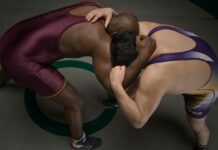
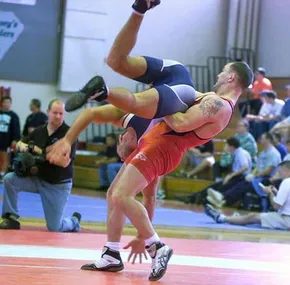
Two people fighting. It is ancient. The Greeks did it. Today we call it freestyle wrestling. It survives in the Olympics. The Romans took Greek styles and added brute strength. They created Greco-Roman wrestling. That style uses only the upper body. No leg trips.
These are the two Olympic forms. Clear rules. Weight classes. Points decide winners. Violations mean disqualification. If you want the exact amateur rules, look them up. They are rigid.
How Pro Wrestling Differs from Amateurs
Professional wrestling is different. Why? Because they get paid. Amateurs do it for medals. Pros do it for money. Also, pros are more skilled. They have to be.
Amateur wrestling is regulated. A sporting commission watches every move. Professional wrestling is intentionally unregulated. It started in the early days under state sporting commissions. Then owners realized something. They could avoid the hassle. They just had to classify their shows as entertainment. Not a competitive sport.
“Pro wrestling is intentionally unregulated. Owners avoided sporting commissions by classifying shows as entertainment, not competition.”
This shift changed everything. It allowed for the spectacle. It allowed for the storytelling. It created the bizarre world we know today.
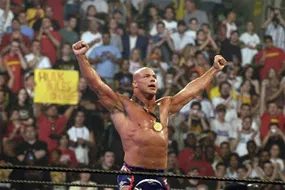
The rules of pro wrestling exist, but they are loose. They are often ignored. Enforcement is inconsistent. The outcome isn’t decided by who has the better technique or the higher wrestling IQ. Writers craft plots weeks, sometimes months, in advance. Every bout is just a scene in a larger serialized story. The winner is scripted. The loser is scripted. It’s theater with bruises.
So, is it fake?
Technically, yes. The storylines are predetermined. The moves are choreographed. Wrestlers aren’t trying to genuinely injure their opponents. In fact, the fiercest rivals backstage are often drinking coffee together. The drama is manufactured. But calling wrestling “fake” is a mistake. It’s like calling a Michael Bay movie “fake” because the explosions were CGI. You know it’s not real. You still enjoy the spectacle.
The athletes involved are exceptional performers. They train relentlessly to maintain peak physical condition. It takes years to learn how to execute high-risk maneuvers safely while maintaining the illusion of danger. They don’t just jump; they fly. Flying twenty feet through the air from the top rope isn’t a stunt performed by a double. It’s a wrestler committing their body to gravity.
Injuries are common. They can be severe. The schedule is grueling. There is nothing “fake” about the physical toll. The athleticism is real. The danger is real. The storytelling is real.
Kayfabe and Wrestling Lingo
To understand the culture, you have to understand the language.
“Kayfabe” is the portrayal of staged events within the industry as genuine.
It’s the maintenance of the illusion. For decades, wrestlers stayed in character even off-camera. They protected the secrecy of the business. Breaking kayfabe was a serious offense. It still carries weight today, though the lines have blurred significantly.
Beyond kayfabe, there is a rich vocabulary specific to the sport.
- Heel : The villain. The bad guy. He cheats. He taunts the crowd.
- Face : The hero. The good guy. He fights with honor. He rallies the fans.
- Babyface : Another term for the face.
- Jobber : A wrestler who loses matches to build up the reputation of their opponent.
- Pop : The enthusiastic reaction of the audience.
- Heat : The negative reaction of the audience.
- Squash : A one-sided match where one wrestler dominates easily.
- Work : A match that is pre-planned or choreographed.
- Shoot : A real fight or unscripted event.
- Kayfabe : The illusion that the competition is real and the outcomes are uncertain.
- Selling : The act of reacting to an opponent’s move to sell the impact.
- Finish : The conclusion of a match, often involving a pinfall or submission.
- Heat gain : When a wrestler’s popularity increases due to controversy or strong performance.
- Heat loss : When a wrestler’s popularity decreases.
- Jobbing out : Losing a match, often in a way that makes the winner look strong.
- Working : Engaging in the choreographed performance of the match.
- Shooting : Engaging in real combat or unscripted
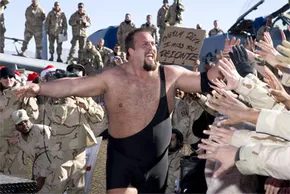
The wrestling code is called kayfabe, an old carnival term. In wrestling, it refers to the illusion that the characters and storylines are real. It was once an important wrestling code, and some wrestlers even stayed in character outside the ring to reinforce the illusion. To “break kayfabe” was to step out of character in the ring, or dispel the illusion. This dampened fan enthusiasm and hurt business, so promoters were not too kind to wrestlers who broke kayfabe, often writing them out of important storylines or not using them at all.
Kayfabe is not as important today. Pro wrestling is more or less open about the fact that the stories and plots are predetermined. They rely on the fans’ willing acceptance and desire to be entertained by the stories, but wrestling performers still need to stay in character during a match. When a wrestler breaks kayfabe, it is a shoot. A shoot can be a match where the wrestlers get angry and actually fight each other instead of using the choreographed moves. It can also happen when someone accidentally uses another performer’s real name, or when behind-the-scenes events spill into the ring.
Infamous shoots include:
-
The MSG Incident : A group of wrestlers whose characters were enemies, but were friends in real life, hugged each other goodbye in the ring because some of them were leaving to join another league.
-
The Montreal Screwjob : Popular wrestler Bret Hart was promised that he wouldn’t lose his championship belt in his home country to another wrestler whom he personally disliked. Instead, a crooked referee and the league commissioner seemed to cheat him out of his belt, although some suspect that the incident was worked — that is, a part of the planned storyline all along.
So now you know what “kayfabe” means. But what about those other terms that announcers use? Why is one of the perfomers a “heel” and the other one a “face”? Here are some common wrestling terms:
-
Smark – A fan that knows what goes on behind the scenes, but still enjoys watching the events.
-
House show – An event that isn’t televised.
-
Promotion – A wrestling league, also known as a federation, or fed.
-
Face – A good guy, a character who is designed for the fans to love and emulate. Short for babyface. Hulk Hogan was a face for most of his career.
-
Heel – A villain, a character designed for the fans to boo. Examples include the Iron Sheik, Lance Cade and the Undertaker. Most characters will switch back and forth between face and heel during their careers.
-
Sell – Making the wrestling moves look realistic and painful.
-
Squash – A match in which a big name wrestles a nobody and beats him easily.
-
Push – When league management directs the storylines to make a certain wrestler a big star.
-
Angle – A part of the ongoing plot. For example, a feud between two wrestlers is an angle.
-
Job – To lose a match in order to help push another wrestler. Sometimes, wrestlers refuse to job to another wrestler, resulting in a shoot.
-
No-sell – When a wrestler stops selling his opponent’s moves. Sometimes it’s a part of the script — the heroic wrestler gets a second wind and suddenly becomes invincible. Other times, it happens because of poor wrestling skills or because a wrestler decides to break kayfabe.
-
Screwjob – When a performer is double-crossed by either his opponent or the promoter he is working for. This refers to a legitimate double-cross, not one that happens within the context of kayfabe.
Next, we’ll discuss the rules that are made to be broken.
Steroids and Wrestling
Many former wrestlers, including Jesse Ventura, have admitted to using steroids in the past. Observant fans have also noted wild changes in weight and physique, and irrational behavior outside the ring. In the 1970s and 80s, steroid use was nearly epidemic, and some suspect that the extremely high expectations placed on today’s performers have led more than a few to rely on illegal and dangerous drugs to boost their physique.
Wrestler Eddie Guerrero died recently of heart disease, but his past steroid use may have been a contributing factor. This event pushed WWE owner Vince McMahon, Jr. to institute random substance abuse testing for all WWE performers.
Read More
Rules of Pro Wrestling
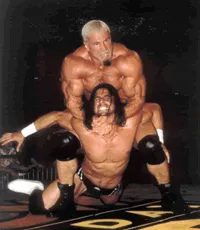
Forget everything you think you know about sport. Professional wrestling operates on a singular, chaotic truth: the rules are suggestions. They bend, break, or vanish entirely depending on who is holding the camera. If the referee isn’t looking, the sky’s the limit. It’s not a bug. It’s the feature.
Sure, there are guardrails. Most matches have a twenty-minute clock ticking down. You have to make it count before the bell rings for a no-contest. But beyond that? You are on your own.
Pinfall Is King
The standard way to win is pinfall. It’s the bread and butter of the business. You might hear commentators talk about a “one-fall” match. That means one pin wins it all. Shoulders to the mat, ref’s hand hits the canvas three times, and you’re done.
Sometimes it’s a “three-fall” bout. Best of three. You can lose two pins and still walk out the winner. The tension builds differently here. You’re not just trying to win. You’re trying to survive.
The referee is always looking the other way.
The Submission Surrender
Not everyone wants to get pinned. Some prefer to make their opponent quit. Enter submission.
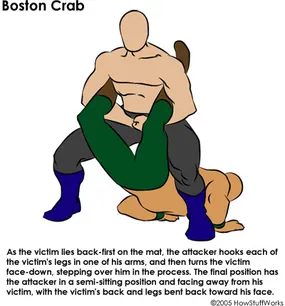
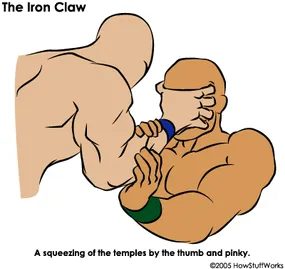
A submission hold locks your opponent into a position that screams “my arm is breaking” or “I can’t breathe.” It’s psychological warfare as much as physical. You twist, you choke, you isolate. Eventually, the pain becomes too much.
How do you know when someone quits? They tap. A hand slap on the mat or their opponent’s body. It’s the universal sign for “I give up.” If you knock someone out cold with a sleeper hold, they don’t need to tap. Unconsciousness equals surrender. The ref waves it off. The match is over.
The Ref’s Blind Spot
Here is the kicker. The referee’s job is to enforce order. In wrestling, order is an illusion.
If you see a chair in the background, don’t blink. If you see your opponent grab a handful of tights, the ref might be busy checking the timekeeper. That’s when the real matches happen. Not in the ring. In the shadows of the ref’s peripheral vision.
Is it fair? No. Is it sports? Debatable. Does it matter? Absolutely not. The crowd doesn’t care about the rulebook. They care about the drama. The near-falls. The sudden reversals. The moment a wrestler kicks out at two and a half.
That’s when the magic happens. When the script flies out the window.
Disqualifications aren’t just random penalties in pro wrestling—they’re tactical tools. When a wrestler gets DQ’d, it’s rarely because a referee is strictly enforcing a rulebook. It’s because the writers decided a storyline needs a specific flavor. You see it all the time: standing outside the ring too long, pulling out a steel chair, or getting help from a partner in the corner. These are the classic triggers. But whether anyone actually pays the price? That depends entirely on the script.
A DQ doesn’t always mean a loss. Sometimes it’s a shield.
Consider the heel with the championship belt. He’s losing. Or he looks like he’s about to lose. Instead of letting the referee count to three, he might throw a punch that earns him a disqualification. The result? He didn’t lose the match. He didn’t lose the belt. The status quo remains intact. It’s a grey area, sure, but it’s a functional one. The DQ acts as an escape hatch when the narrative demands the champion stay champion, even if his skill level is temporarily in question.
Then there’s the rope break. You’ve seen it. A wrestler is pinned. The referee’s hand is coming down. Three. Two. But just before the slap, the opponent drags an arm or a leg to the middle rope. The count stops. The hold must be broken immediately. This isn’t a new invention. It’s an old rule, deeply embedded in the sport’s DNA. It prevents a pinfall from being unfair when the referee loses sight of the action or when the momentum shifts in a split second.
Why does it matter? Because it adds tension. The escape is dramatic. It prolongs the match. It keeps the crowd engaged. And for the wrestler on the receiving end, it’s a lifeline.
But here’s the thing: not every rope break is allowed in every promotion. Some indie shows, some hardcore leagues, they might ignore it. Or they might interpret it differently. In mainstream wrestling, though? It’s standard. You touch the rope, you’re safe. The pin is void. The match continues.
It’s messy. It’s inconsistent sometimes. But that’s the charm. It’s not about perfect justice. It’s about entertainment. And sometimes, a broken pin is exactly what the story needs.
Tag team wrestling comes with a rulebook, but let’s be honest. It’s treated more like a suggestion than a law. You’ve got two sides, two to three wrestlers each, but the catch is that only one person from each team can be in the ring legally at any given second. And that lone fighter is the only one who can score a pinfall victory. You have to tag your partner’s hand to swap out, giving you ten seconds to get your fresh legs into the fray before the clock runs out.
Most of the time though, nobody cares.
Beyond the standard tag format, there are dozens of specialty matches. These aren’t standard bouts. They are often custom-built for a single feud. Take the ladder match. A title belt or some other prize hangs impossibly high above the canvas. The only way to reach it is by climbing a tall ladder placed in the center of the ring. First one to grab the prize wins it. It’s simple. It’s dangerous. It works.
Then there is the steel cage. The objective here is usually to be the first to escape the enclosure. Some versions allow you to win by pin or submission inside the metal box, but usually, you just need to get out.
And you can’t talk about spectacle without mentioning the Royal Rumble. WWE’s iconic event dumps a horde of wrestlers into the ring all at once. There are no tags. No partners. It’s every man for himself. If you get thrown over the top rope and touch the floor, you’re eliminated. Last person standing takes the crown.
It’s chaos. It’s theater. It’s why we watch.
“The rules are just the framework. The drama is in the breaking of them.”
These matches don’t just test strength. They test creativity. They force athletes to innovate under pressure. A standard match can be predictable. A ladder match? Unpredictable. A cage match? Claustrophobic. The Royal Rumble? Pure anarchy.
How do you sell this? How do you make the audience feel the pain of a missed tag or the desperation of a near-escape?
That’s the next puzzle.
The Art of Selling
That sequence you just saw? The four punches, the rope bounce, the clothesline that sends the opponent flying into the canvas? If you actually took that kind of beating, you’d be looking at a concussion, a shattered jaw, and cracked ribs. Maybe worse.
Professional wrestlers don’t want real damage. They want the illusion of it. They work incredibly hard to make strikes look brutal while inflicting minimal physical trauma. It’s called selling.
It’s timing. It’s theater. If a wrestler throws a pulled punch that barely grazes your chin, but you throw your head back and stumble as if you’ve been hit by a freight train, you’ve sold the move. They do hit each other. It does hurt. But they don’t hit as hard as it looks, and they don’t get hurt as badly as the reaction suggests.
“If someone hits you with a pulled punch that barely touches you, but you time it correctly and leap backward as though you’d been smashed, then you’ve sold the move.”
Behind the Curtain
Watches aren’t happening in a vacuum. During a match, stage directions fly between performers, the referee, ringside officials, and managers. Signals are exchanged constantly. Sometimes you can even spot wrestlers whispering, planning the next series of maneuvers.
When the clock is winding down, the referee gives the cue: “Bring it home.” That’s when the finish is executed.
Complex maneuvers are carefully choreographed. Both wrestlers help execute them. It’s a collaborative dance. Wrestlers also help each other pace the fight. They’ll drop into a “rest hold,” like a simple headlock, to stall and catch their breath. If the show goes into a commercial break during a live TV performance, a ringside official will signal them. They’ll slip into a rest hold for a minute or two so the television audience doesn’t miss any actual action.
Mechanics of Impact
To reduce pain and damage, wrestlers use specific physics-based methods.
One method is maximizing contact area. Your elbow is hard and sharp. Your thigh is larger, padded by muscle and fat. Jump from the top rope and land on someone with your elbow, and you could literally kill them. Do a leg drop and hit them with your outstretched thigh, and the force spreads out. It will hurt. It will bruise. But it won’t do nearly as much damage.
This tactic works with punches, too. Often, a fist pulls back at the last second, turning into an open-handed slap so fast you don’t notice. Sometimes wrestlers use their forearms instead of their fists.
Even foreign objects follow rules. Chairs are always used flat side first. Using the edge would be dangerous. Getting slammed into the turnbuckle—the padded posts at the corners of the ring—spreads force over a large area and isn’t very painful.
The Danger of Height
Flying leaps and body slams aren’t as dangerous as they appear. Today’s wrestling ring has slight padding and spring action. Wrestlers avoid injury by spreading out the force of impact.
No one ever gets slammed down directly onto their neck. Instead, they hit the mat back first.
“High-flying leaps are among the most dangerous moves in wrestling. A slight miscalculation can lead to serious injury for the wrestler or his opponent.”
That said, high-flying leaps are still risky. A slight miscalculation can lead to serious injury. In 2001, performer Sid Vicious suffered a severely broken leg after attempting a high-flying leap he wasn’t properly trained for.
Piledrivers look dangerous because they are. The move involves driving the opponent headfirst into the mat. Performed properly, the victim’s head comes within inches of the mat but never touches it. Miscalculate by a few inches, and serious injury results. The list of wrestlers hurt by piledrivers is long.
The Crimson Mask
Watch enough wrestling, and you’ll spot performers who can’t sell. Punches that miss entirely. Reactions delayed by a second or two. Veteran wrestlers are experts at glancing blows and near misses that look completely real.
But what about the blood?
If they aren’t getting hurt, why do they bleed? Gruesome matches featuring wrestlers drenched in blood—known as “the crimson mask”—were frequent in the 1970s and especially popular in Japan.
Sometimes, capsules filled with fake blood are used. But the more popular method is blading.
A wrestler hides a small sliver of metal in his glove or in a turnbuckle. He uses it surreptitiously to inflict a cut on his forehead. Head wounds bleed profusely, even if the wound itself is minor. Japanese wrestler The Great Muta is known for his gory blading practices.
It’s risky. It leads to scarring. Wrestlers can sever an artery if they don’t do it correctly.
Botches
What is a wrestler’s worst fear?
A botch.
It happens when a performer fails to execute a move properly. Sometimes it’s just humiliating.
At Wrestlemania 19, Brock Lesnar botched a shooting star press in the main event. His victim was too far away. Lesnar under-rotated the backflip and landed on his head. He escaped with only a concussion, but fans and performers alike refer to a major botch as “Brocking” the move.
Botches can also lead to severe injuries.
During a Pay Per View event, “Stone Cold” Steve Austin misjudged a piledriver from Owen Hart. Austin landed forcefully on his head. The resulting neck injury temporarily paralyzed him.
Hart managed to drag Austin on top of him so that Austin could win the match, as per the script. Austin regained feeling and movement, but remains semi-retired because of the injury.
Next, we’ll learn how professional wrestling began.
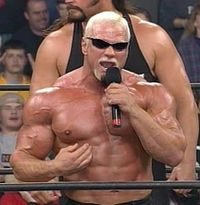
It started with carnival strongmen. A traveling barker would challenge the crowd: beat me or last ten minutes and take the cash. Nobody won. The strongman had cronies in the ring to cheat, ensuring the house always kept the money. But the promoters saw an opportunity. They stopped caring about entry fees and started taking side bets on the matches. The outcomes were fixed. Local fighters were often in on the ruse, hyping up the crowd to drive up the wagering. They used fake names and manufactured hate to sell tickets.
By the late 1800s, promoters moved these events into arenas, copying the boxing model. For decades, it was a free-for-all. Individual promoters ran their own shows. Championship belts existed, but they meant nothing. There was no central authority.
Then came 1901. Promoters formed the National Wrestling Association (NWA). It was a loose coalition. They awarded a single championship belt to legitimize the sport.
The Breakup Of The NWA
World War II changed everything. The NWA fractured into regional leagues. The deal was simple: a gentleman’s agreement. You didn’t steal talent. You didn’t expand your arena circuit into another league’s territory. It kept the peace.
Except for the Northeast.
Vince McMahon, Sr. launched the World Wide Wrestling Federation (WWWF) in the early 1960s. It was a maverick operation. When his son, Vince McMahon Jr., took over in the 1970s, he didn’t just ignore the agreement. He shattered it.
McMahon Jr. shortened the name to World Wrestling Federation (WWF). He began raiding regional leagues for talent. He scheduled shows on their home turf. He secured lucrative cable TV contracts that small promoters couldn’t match. The regional leagues crumbled. You couldn’t compete with national distribution and a media empire.
By the 1980s, only one NWA league remained: the Southeast operation. It essentially became the NWA.
The War Of The Ratings
Ted Turner bought that Southeast league. He renamed it World Championship Wrestling (WCW).
This wasn’t just a business move. It was a war. Turner’s WCW went head-to-head with McMahon’s WWF on television. For a period, WCW won. They pulled top talent away from the WWF. They dominated the ratings. The audience had a choice, and they chose the new, flashy product.
But the WWF wasn’t dead. It hit a wall. Poorly conceived storylines bogged down the product. A federal investigation into steroid distribution hit McMahon hard, even though he was eventually cleared. The brand sank.
McMahon didn’t let it stay there. He pivoted. He focused on creative angles and young, hungry talent. In 2001, the tables turned. McMahon purchased WCW. He took the wrestlers. He took the trademarks. He took the video library. WCW ceased to exist.
The Hardcore Revolution
There was another player in this ecosystem. A minor league that punched way above its weight. Extreme Championship Wrestling (ECW).
It was based in a Philadelphia bingo hall. It aired on local sports networks in the late night slot. ECW didn’t play by the rules of WWF or WCW. They promoted a “hardcore” style. The moves were daring. Dangerous. Some looked like pure insanity.
The cartoonish characters were gone. In their place were beer-guzzling lunatics. Ladder matches where the ladder was a weapon. An obsession with smashing bodies through tables, usually after a flying leap from the top rope.
ECW never made much money. It went bankrupt after about five years. But the style resonated. It had a massive impact on the WWF. Vince McMahon Jr. bought ECW later. A grittier, more violent style of wrestling moved into the mainstream.
The WWF eventually had to change its name to World Wrestling Entertainment (WWE) due to a lawsuit from the World Wildlife Fund. But the DNA remained. The war had ended, but the style had evolved.
In the next section, we’ll check out some of the most famous pro wrestlers throughout history.
Famous Wrestlers
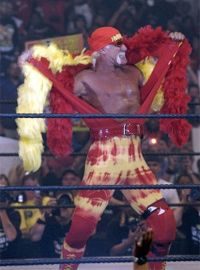
The ropes have swallowed thousands of bodies over the decades. Most fade into obscurity. A handful carve their names into the industry’s DNA.
Frank Gotch wasn’t just a competitor. He was the first legitimate champion of the early 1900s. His legacy is stained by one of pro wrestling’s earliest screwjobs. George Hackenschmidt arrived injured, likely sabotaged by Gotch’s own hired men. The deal was simple: Hackenschmidt would take a fall to save face. Gotch ignored it. He crushed Hackenschmidt in the first two falls.
Then there is Lou Thesz. He dominated from the 1940s through the 1960s. His winning streak lasted years. He was the Hulk Hogan of his era.
Gorgeous George changed the game entirely. George Wagner was a solid wrestler in the 30s and 40s until he invented a character. Blonde hair. Fur robe. A prima donna persona that made audiences despise him. They flocked to arenas just to boo him. He brought entrance music. He had an attendant spray disinfectant around the ring. He built the theatrical foundation modern wrestling still rests on.
Bruno Sammartino is the heavyweight of the post-war era. Italian-born. No gimmicks. Just pure athleticism and skill. Fans respect him for his integrity. He recently declined a spot in the Wrestling Hall of Fame, citing that pro wrestling had become vulgar and harmful to children.
Hulk Hogan defined the 1980s. Terry Bollea. Tanned skin. Blonde hair. Yellow bandana. Hulkamania is still a cultural touchstone for anyone who watched. He was the biggest star of his time. One of the most popular faces in history.
Breaking Into the Business
Star status doesn’t happen by accident. You have to go to wrestling school.
There are schools scattered across the United States and Canada. Tuition runs a few thousand dollars. The training is brutal. It’s constant endurance and weight work. Endless repetition of falls, slams, and throws. It breaks down even the toughest prospects.
After graduation, instructors use their contacts to place graduates in major promotions. No guarantees. Many pay their dues in smaller circuits. They work their way up from the bottom.
Pro Wrestling FAQ
Where is professional wrestling most popular?
It’s huge across the United States, particularly when it comes to the WWE.
How much are professional wrestlers paid?
The average pro makes about $500,000 a year. Top WWE talent can hit $1 million. That’s just the base. Acting roles and appearances add real money.
Who is the greatest professional wrestler of all time?
Sports Illustrated points to Ric Flair as the best in WWE history.
Who are the most famous professional wrestlers?
Hulk Hogan. Stone Cold Steve Austin. Dwayne “The Rock” Johnson. The Undertaker. They’re the household names. But every era has its own legends.
Is the blood real in WWE?
If a wrestler gets cut or scraped during a performance, the blood you see on TV is real.